Author: EduArda

  • If you argue, my son will throw you out onto the street,” the mother-in-law proclaimed, forgetting whose apartment this was.”If you argue, my son will throw you out onto the street,” the mother-in-law proclaimed, forgetting whose apartment this was.

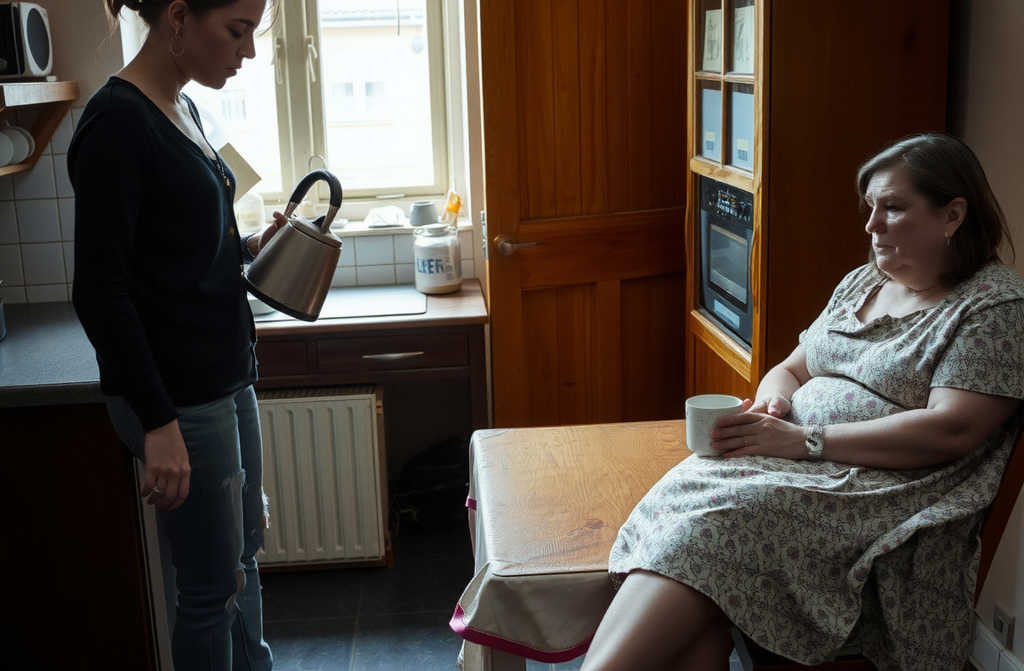
    It feels like such a long time ago now, but the memory of those days lingers. Elizabeth was in the kitchen preparing dinner when Margaret came in and settled at the table. “Elizabeth, bake a cabbage pie for dinner tomorrow,” Margaret declared. “I havent had a proper pastry in quite a while; youre always cooking some unusual dishes.”

    Elizabeth turned away from the stove where she was frying chops for dinner. Her mother-in-law sat with her usual unhappy expression, adjusting her familiar maroon jumper.

    “Im allergic to cabbage, Margaret,” Elizabeth replied calmly, flipping a chop. “Im not going to make it.”

    “What do you mean youre not going to?” the mother-in-laws voice sharpened. “I asked you, and youre refusing me? Who do you think you are to talk back to me? In my day, daughters-in-law respected their elders!”

    “This isnt about respect,” Elizabeth said, moving the pan to another burner. “If I cook cabbage, Ill have an allergic attack. Make it yourself if you want it so much.”

    “Make it myself?” Margaret jumped up from her chair. “I am not your servant! Youre the lady of the house, so cook what I say! And your allergy is just an excuse. Youre just too lazy to deal with dough!”

    “Margaret, what does laziness have to do with this?” Elizabeth turned toward her mother-in-law. “I cook every day, clean, do laundry. But I wont make a cabbage pie because I physically cant!”

    “Cant or wont?” the mother-in-law stepped closer, narrowing her eyes. “You think just because my son married you, you can boss me around? Well see whos really in charge here!”

    Keys jingled in the hallway Thomas had come home. Margarets face instantly changed into a suffering expression.

    “Tom, son,” she rushed to him. “Good youre here. Your wife has gotten completely cheeky! I asked her to bake a pie, and shes rude to me, refusing!”

    Thomas took off his jacket and gave his wife a tired look; she stood by the stove with a tense face.

    “Elizabeth, whats going on?” he asked, hanging his jacket in the cupboard. “Why are you refusing your mother?”

    “Im allergic to cabbage, Tom,” Elizabeth said quietly. “I already explained it to Margaret.”

    “Allergy? What allergy?” Thomas waved his hand. “Mum, dont worry. Elizabeth will bake the pie tomorrow. Right, dear?”

    Elizabeth silently looked at her husband, then at her mother-in-law, who was smiling triumphantly. Her heart clenched painfully with hurt.

    “No, I wont bake it,” she said firmly, taking off her apron and heading to the door. “You can have dinner yourselves.”

    Elizabeth went to the bedroom and closed the door behind her. Voices muffled behind the wall Thomas and his mother were calmly having dinner, discussing some everyday matters. And she lay face down on the pillow, tears streaming down her cheeks.

    Behind the wall, a steady murmur of voices could be heard Thomas was telling his mother about work, and she was nodding sympathetically. As if nothing had happened. As if his wife hadnt left upset, but simply disappeared into thin air.

    In the morning, Elizabeth got up earlier than usual. Margaret was still asleep the flat was unusually quiet. Thomas sat at the kitchen table with a cup of coffee, scrolling through news on his phone.

    “Tom, I need to talk to you,” Elizabeth sat across from him, clasping her hands. “A serious talk.”

    He looked up from the screen, frowning in confusion.

    “About what?”

    “About your mother,” Elizabeth took a breath. “Im tired of the constant nagging. Margaret criticizes everything how I cook, how I clean, what I wear. Im tired of obeying her in my own in our home.”

    “Elizabeth, what are you saying?” Thomas put down his phone. “Mum behaves fine. She just has her habits.”

    “Habits?” Elizabeths voice sharpened. “Is that what you call bossing around adults? Tom, maybe its time to find your mother a rented flat? Let her live separately? Were still young we need our own space.”

    Thomas slammed his cup on the saucer.

    “Are you suggesting to throw my mother out on the street?” Metal edged his voice. “She asked to live with us, and you want to kick her out?”

    “Im not saying that,” Elizabeth reached out to him, but he pulled away. “Just a separate place. We could help with the rent”

    “Look, I dont like this,” Thomas stood up and began getting ready for work. “Mum doesnt bother anyone. On the contrary, she makes our life better cooks, helps around the house.”

    “When does she cook?” Elizabeth also stood up. “Tom, open your eyes! I work, come home, cook dinner, clean, do laundry. And your mother only criticizes!”

    “Enough,” Thomas cut her off, putting on his jacket. “I dont want to hear this anymore. Mum stays with us. Period.”

    The door slammed behind him with an unpleasant metallic sound. Elizabeth was left alone in the kitchen, staring at her husbands half-finished coffee. The bitterness from the conversation spread inside her like that cold drink. She slowly took the cup, washed it, and set it to dry.

    Elizabeth was irritated by this injustice. Her mother-in-law had given her flat to her daughter. And then insisted on living with them. And Thomas saw nothing strange in this! Elizabeth was tired of living under his mothers watchful eye.

    Half an hour later, Margaret appeared in the kitchen. Her hair was neatly styled, her robe buttoned up to the last button. Her face expressed extreme displeasure.

    “Well, what a scene you made,” the mother-in-law started without even greeting. “So unkind! You thought my son would support you?”

    Elizabeth silently poured herself some tea, trying not to react to the provocation.

    “See?” Margaret continued, sitting down at the table. “My son took my side! That means he understands whos the boss here. And since thats so, you have to obey me!”

    Elizabeth put the kettle down a bit more sharply than planned.

    “Today youll clean the entire flat until it shines,” the mother-in-law continued in a lecturing tone. “Wash the windows, mop all the floors in every room, make the bathroom sparkle. Otherwise, you walk around here like a lady, but the flat is dirty!”

    “The flat isnt dirty,” Elizabeth quietly objected.

    “Not dirty?” Margarets voice rose. “I saw dust on the dresser in the sitting room yesterday! And the mirror in the hallway is smudged! If you argue, Ill complain to my son and tell him you dont listen to me!”

    Something inside Elizabeth snapped. Like a tightly stretched string that could no longer withstand the tension. She turned sharply to her mother-in-law.

    “No!” Her voice rang with tension. “I wont do it! Ive obeyed you for too long! I lost myself in all this! I cook what you order, clean when you say, stay silent when you yell! Enough!”

    Margaret jumped up. Her face reddened with outrage. She screamed:

    “How dare you? How dare you talk back to me?”

    Elizabeth raised her voice too.

    “I dare! I am a living person, not your servant! And I will no longer tolerate your nitpicking!”

    “If you talk back, my son will throw you out!” shouted the mother-in-law, shaking her fist.

    And then something inside Elizabeth seemed to break loose. Years of silence, months of humiliation. It all poured out in one powerful wave. She straightened to full height. Her voice sounded so strong that Margaret involuntarily stepped back.

    “You forgot whose flat this is! You forgot who let you live here! Who allowed you to live here without paying rent, utilities, groceries nothing! Let me remind you this is my flat! Mine, bought before marriage. Bought before I met your son, your whole family!”

    Margaret froze with her mouth open. She clearly did not expect such a turn.

    But Elizabeth didnt stop.

    “And so from this day on, you will no longer dictate terms to me! Or it wont be me who ends up on the street it will be you! Understand?”

    For several seconds, the mother-in-law stood as if petrified, then slowly came to herself. Her face flushed, her eyes narrowed.

    “How dare you speak to me like that?” she shrieked. “You have no right! I am your husbands mother! I am older than you! You must respect me!”

    “Respect should be earned, not given by age!” Elizabeth did not give in. “And in the past months living here, you have not earned even a drop of respect!”

    “How dare you” Margaret gasped in outrage. “Who do you think you are? Im Toms mother! And youre just a temporary woman! Hell always choose me!”

    “Then you two move out together!” Elizabeth cut in. “And Ill stay in my flat! The one I pay for, clean, and cook in! While youre only bossing around!”

    “I Ill tell my son!” the mother-in-law stammered. “Hell find out how you treat me!”

    “Go ahead and tell!” Elizabeth crossed her arms. “Just dont forget to mention that you live here for free!”

    Margaret turned indignantly and, loudly stomping, ran to her room. The door slammed so hard the windows rattled.

    A few minutes later, an agitated voice came from the room. The mother-in-law was clearly calling her son. Elizabeth caught fragments: “Completely cheeky insults me threatens to kick me out”

    Elizabeth calmly finished her tea and began getting ready for work. Let Margaret complain today she spoke the truth for the first time in a long while.

    In the evening, Thomas returned home nearly furious. His face was flushed, his eyes blazing with anger. Barely crossing the threshold, he attacked his wife:

    “What do you think youre doing?” he shouted. “Mum told me everything! How dare you insult her? Threaten to kick her out of the house?”

    “Out of my flat,” Elizabeth corrected calmly, taking off her apron. “And I didnt threaten. I warned.”

    “Out of yours?” Thomass voice grew louder. “We are husband and wife! Whats yours is mine!”

    “No, dear,” Elizabeth turned to him. “This flat was bought by me before the marriage. And I will no longer tolerate your mothers rudeness.”

    “Mum didnt do anything wrong!” Thomas yelled. “She only asked for help around the house!”

    “She gave orders,” Elizabeth countered. “And insulted me. And you supported her.”

    “Of course I supported her! Shes my mother!”

    “Then live with her,” Elizabeth headed for the front door and opened it wide. “But not here. Pack up and leave.”

    “Youre joking?” Thomas looked at his wife in disbelief.

    “Not at all,” Elizabeth pointed to the door. “Youve used me enough, lived off me enough. Now decide where and how you want to live. And I choose to be happy. Without you!”

    Margaret ran out of the room hearing the shouting.

    “Whats going on?” she asked, but seeing the open door, understood everything.

    “Pack up,” Elizabeth repeated. “You have half an hour.”

    Relief washed over Elizabeth like a wave. Looking back now, she had taken the hardest step of her life that day, and it had been worth it.It feels like such a long time ago now, but the memory of those days lingers. Elizabeth was in the kitchen preparing dinner when Margaret came in and settled at the table. “Elizabeth, bake a cabbage pie for dinner tomorrow,” Margaret declared. “I havent had a proper pastry in quite a while; youre always cooking some unusual dishes.”

    Elizabeth turned away from the stove where she was frying chops for dinner. Her mother-in-law sat with her usual unhappy expression, adjusting her familiar maroon jumper.

    “Im allergic to cabbage, Margaret,” Elizabeth replied calmly, flipping a chop. “Im not going to make it.”

    “What do you mean youre not going to?” the mother-in-laws voice sharpened. “I asked you, and youre refusing me? Who do you think you are to talk back to me? In my day, daughters-in-law respected their elders!”

    “This isnt about respect,” Elizabeth said, moving the pan to another burner. “If I cook cabbage, Ill have an allergic attack. Make it yourself if you want it so much.”

    “Make it myself?” Margaret jumped up from her chair. “I am not your servant! Youre the lady of the house, so cook what I say! And your allergy is just an excuse. Youre just too lazy to deal with dough!”

    “Margaret, what does laziness have to do with this?” Elizabeth turned toward her mother-in-law. “I cook every day, clean, do laundry. But I wont make a cabbage pie because I physically cant!”

    “Cant or wont?” the mother-in-law stepped closer, narrowing her eyes. “You think just because my son married you, you can boss me around? Well see whos really in charge here!”

    Keys jingled in the hallway Thomas had come home. Margarets face instantly changed into a suffering expression.

    “Tom, son,” she rushed to him. “Good youre here. Your wife has gotten completely cheeky! I asked her to bake a pie, and shes rude to me, refusing!”

    Thomas took off his jacket and gave his wife a tired look; she stood by the stove with a tense face.

    “Elizabeth, whats going on?” he asked, hanging his jacket in the cupboard. “Why are you refusing your mother?”

    “Im allergic to cabbage, Tom,” Elizabeth said quietly. “I already explained it to Margaret.”

    “Allergy? What allergy?” Thomas waved his hand. “Mum, dont worry. Elizabeth will bake the pie tomorrow. Right, dear?”

    Elizabeth silently looked at her husband, then at her mother-in-law, who was smiling triumphantly. Her heart clenched painfully with hurt.

    “No, I wont bake it,” she said firmly, taking off her apron and heading to the door. “You can have dinner yourselves.”

    Elizabeth went to the bedroom and closed the door behind her. Voices muffled behind the wall Thomas and his mother were calmly having dinner, discussing some everyday matters. And she lay face down on the pillow, tears streaming down her cheeks.

    Behind the wall, a steady murmur of voices could be heard Thomas was telling his mother about work, and she was nodding sympathetically. As if nothing had happened. As if his wife hadnt left upset, but simply disappeared into thin air.

    In the morning, Elizabeth got up earlier than usual. Margaret was still asleep the flat was unusually quiet. Thomas sat at the kitchen table with a cup of coffee, scrolling through news on his phone.

    “Tom, I need to talk to you,” Elizabeth sat across from him, clasping her hands. “A serious talk.”

    He looked up from the screen, frowning in confusion.

    “About what?”

    “About your mother,” Elizabeth took a breath. “Im tired of the constant nagging. Margaret criticizes everything how I cook, how I clean, what I wear. Im tired of obeying her in my own in our home.”

    “Elizabeth, what are you saying?” Thomas put down his phone. “Mum behaves fine. She just has her habits.”

    “Habits?” Elizabeths voice sharpened. “Is that what you call bossing around adults? Tom, maybe its time to find your mother a rented flat? Let her live separately? Were still young we need our own space.”

    Thomas slammed his cup on the saucer.

    “Are you suggesting to throw my mother out on the street?” Metal edged his voice. “She asked to live with us, and you want to kick her out?”

    “Im not saying that,” Elizabeth reached out to him, but he pulled away. “Just a separate place. We could help with the rent”

    “Look, I dont like this,” Thomas stood up and began getting ready for work. “Mum doesnt bother anyone. On the contrary, she makes our life better cooks, helps around the house.”

    “When does she cook?” Elizabeth also stood up. “Tom, open your eyes! I work, come home, cook dinner, clean, do laundry. And your mother only criticizes!”

    “Enough,” Thomas cut her off, putting on his jacket. “I dont want to hear this anymore. Mum stays with us. Period.”

    The door slammed behind him with an unpleasant metallic sound. Elizabeth was left alone in the kitchen, staring at her husbands half-finished coffee. The bitterness from the conversation spread inside her like that cold drink. She slowly took the cup, washed it, and set it to dry.

    Elizabeth was irritated by this injustice. Her mother-in-law had given her flat to her daughter. And then insisted on living with them. And Thomas saw nothing strange in this! Elizabeth was tired of living under his mothers watchful eye.

    Half an hour later, Margaret appeared in the kitchen. Her hair was neatly styled, her robe buttoned up to the last button. Her face expressed extreme displeasure.

    “Well, what a scene you made,” the mother-in-law started without even greeting. “So unkind! You thought my son would support you?”

    Elizabeth silently poured herself some tea, trying not to react to the provocation.

    “See?” Margaret continued, sitting down at the table. “My son took my side! That means he understands whos the boss here. And since thats so, you have to obey me!”

    Elizabeth put the kettle down a bit more sharply than planned.

    “Today youll clean the entire flat until it shines,” the mother-in-law continued in a lecturing tone. “Wash the windows, mop all the floors in every room, make the bathroom sparkle. Otherwise, you walk around here like a lady, but the flat is dirty!”

    “The flat isnt dirty,” Elizabeth quietly objected.

    “Not dirty?” Margarets voice rose. “I saw dust on the dresser in the sitting room yesterday! And the mirror in the hallway is smudged! If you argue, Ill complain to my son and tell him you dont listen to me!”

    Something inside Elizabeth snapped. Like a tightly stretched string that could no longer withstand the tension. She turned sharply to her mother-in-law.

    “No!” Her voice rang with tension. “I wont do it! Ive obeyed you for too long! I lost myself in all this! I cook what you order, clean when you say, stay silent when you yell! Enough!”

    Margaret jumped up. Her face reddened with outrage. She screamed:

    “How dare you? How dare you talk back to me?”

    Elizabeth raised her voice too.

    “I dare! I am a living person, not your servant! And I will no longer tolerate your nitpicking!”

    “If you talk back, my son will throw you out!” shouted the mother-in-law, shaking her fist.

    And then something inside Elizabeth seemed to break loose. Years of silence, months of humiliation. It all poured out in one powerful wave. She straightened to full height. Her voice sounded so strong that Margaret involuntarily stepped back.

    “You forgot whose flat this is! You forgot who let you live here! Who allowed you to live here without paying rent, utilities, groceries nothing! Let me remind you this is my flat! Mine, bought before marriage. Bought before I met your son, your whole family!”

    Margaret froze with her mouth open. She clearly did not expect such a turn.

    But Elizabeth didnt stop.

    “And so from this day on, you will no longer dictate terms to me! Or it wont be me who ends up on the street it will be you! Understand?”

    For several seconds, the mother-in-law stood as if petrified, then slowly came to herself. Her face flushed, her eyes narrowed.

    “How dare you speak to me like that?” she shrieked. “You have no right! I am your husbands mother! I am older than you! You must respect me!”

    “Respect should be earned, not given by age!” Elizabeth did not give in. “And in the past months living here, you have not earned even a drop of respect!”

    “How dare you” Margaret gasped in outrage. “Who do you think you are? Im Toms mother! And youre just a temporary woman! Hell always choose me!”

    “Then you two move out together!” Elizabeth cut in. “And Ill stay in my flat! The one I pay for, clean, and cook in! While youre only bossing around!”

    “I Ill tell my son!” the mother-in-law stammered. “Hell find out how you treat me!”

    “Go ahead and tell!” Elizabeth crossed her arms. “Just dont forget to mention that you live here for free!”

    Margaret turned indignantly and, loudly stomping, ran to her room. The door slammed so hard the windows rattled.

    A few minutes later, an agitated voice came from the room. The mother-in-law was clearly calling her son. Elizabeth caught fragments: “Completely cheeky insults me threatens to kick me out”

    Elizabeth calmly finished her tea and began getting ready for work. Let Margaret complain today she spoke the truth for the first time in a long while.

    In the evening, Thomas returned home nearly furious. His face was flushed, his eyes blazing with anger. Barely crossing the threshold, he attacked his wife:

    “What do you think youre doing?” he shouted. “Mum told me everything! How dare you insult her? Threaten to kick her out of the house?”

    “Out of my flat,” Elizabeth corrected calmly, taking off her apron. “And I didnt threaten. I warned.”

    “Out of yours?” Thomass voice grew louder. “We are husband and wife! Whats yours is mine!”

    “No, dear,” Elizabeth turned to him. “This flat was bought by me before the marriage. And I will no longer tolerate your mothers rudeness.”

    “Mum didnt do anything wrong!” Thomas yelled. “She only asked for help around the house!”

    “She gave orders,” Elizabeth countered. “And insulted me. And you supported her.”

    “Of course I supported her! Shes my mother!”

    “Then live with her,” Elizabeth headed for the front door and opened it wide. “But not here. Pack up and leave.”

    “Youre joking?” Thomas looked at his wife in disbelief.

    “Not at all,” Elizabeth pointed to the door. “Youve used me enough, lived off me enough. Now decide where and how you want to live. And I choose to be happy. Without you!”

    Margaret ran out of the room hearing the shouting.

    “Whats going on?” she asked, but seeing the open door, understood everything.

    “Pack up,” Elizabeth repeated. “You have half an hour.”

    Relief washed over Elizabeth like a wave. Looking back now, she had taken the hardest step of her life that day, and it had been worth it.

  • She was told in the maternity ward that the child did not survive, but years later she discovered that her son was with the family of his biological father.

    From their school days, William had cherished Charlotte with a passion that had only grown stronger over time, and they had planned to marry in the years ahead.

    Williams mother, Margaret Wilson, who managed the maternity ward at the hospital, disapproved of her sons choice. She had long favored a nurse named Abigail and hoped her son would marry this girl, who was liked not only by the hospital staff but also by the patientsa girl from a family of doctors.

    After graduation, William enrolled in medical school, and Charlotte in a school of foreign languages to become a translator like her mother and grandmother. Their classmates decided to celebrate this occasion in nature and went to Williams familys country cottage.

    They spent almost a whole month there and didnt want to go home. But soon, classes were starting, and they needed to prepare.

    In the fall, Lottie told Will:

    Im pregnant. How will you react?

    What do you think? Of course, Ill carry you in my arms to the register office.

    Im not alone and Im heavy.

    Intimidate an athlete? I used to wrestle at school. You are as light as a feather to me, joked the delighted William.

    But we need to figure out what to do about school?

    About school, yes, Lottie. Looks like youll need to take a break for a year after childbirth.

    Ill switch to distance learning, like my mum. She had me at nineteen and managed everything. But lets agree, Will, right away. After the wedding, youre moving in with us. Respect your mother from a distance. Ive known for a long time she wont accept me. Shes quite a character.

    Only for your peace of mind, Lottie, agreed William.

    Charlotte and William filed their application at the register office and went their separate ways home. There were guests at Lotties apartment. A friend of her fathers came with his wife and son Joshua, sixteen years old but looking older.

    At home, William told his parents about the new event in his life and warned them to prepare for the wedding.

    Margaret Wilson disliked this and went in the evening to Charlottes parents to create a scandal. She pressed the doorbell several times, but no one opened. They were setting the table in the living room, and music was playing, similar to the doorbell melody, and no one paid attention as they werent expecting anyone. Guest Joshua was taking a shower at that time and was surprised that no one was reacting to the doorbell. He wrapped a towel around his hips and opened the door.

    Margaret Wilson was initially bewildered but, realizing she had a phone in her hand, pressed record and started filming the hallway, starring Joshua in such attire.

    Are you here to see Catherine Bennett? Joshua, not understanding the movement of this womans phone, asked.

    Not anymore, and Williams mother hurried down the stairs.

    At home, she showed William the recording, emphasizing that they took a long time to open the door.

    Recognize Lotties hallway? Its still unknown who shes pregnant by.

    I get it, mum. You were right. Shes not the one for me.

    William sent an angry message to Charlotte on her phone, then turned it off completely. Lottie didnt understand anything but couldnt get through to William, so she went to him despite the late hour.

    Margaret Wilson anticipated that Lottie would run to her son for clarification and watched her approach from the window. When she saw the girl, she rushed to the hallway and opened the door herself. Not letting Lottie in, she stepped out onto the stair landing.

    And what did you want from William? Hes already asleep. And you, two-timing? Continue to entertain yourself with other guys, deceiver, and, returning to her own apartment, she slammed the door shut.

    Charlotte didnt understand anything and started crying, sitting down on a step. After some time, she returned home. In the kitchen, Catherine Bennett was washing dishes, and her tearful daughter hugged her.

    Lottie, whats wrong? The wedding is soon, and you should be happy.

    Mum, there wont be anything anymore, except that Im carrying his child. It seems his mother stirred things up after learning that we applied for marriage, and she showed her mother the fiancés message about the unknown Lottie cheating on William.

    If William behaved like this, he will continue to obey his parents. God has kept him away from you. Well raise the child ourselves, her mother tried to console her.

    After the fallout with William, Charlotte struggled to recover and had a difficult pregnancy. She was rushed to the maternity ward while her parents were at work. She gave birth to a son under anesthesia as it was the only way. Later in the ward, she was informed that the baby was stillborn.

    After the paperwork, the deceased newborns body was given to the parents, and they buried him. Charlotte was still in the maternity ward, so she missed the ceremony.

    After this incident, Williams parents quickly sold their apartment and moved out of the area.

    Its for the best, daughter. You struggled with random encounters with William, and he just walked past with a haughty look.

    I also hope, mum, that Ill forget him faster.

    Eight years passed.

    Charlotte worked as a translator in a small firm, and suddenly, William entered her office.

    Why have you appeared in my life again? Ive long forgotten you.

    Im sorry, but tragedy has brought me to you.

    Thats strange to hear, Will. You have a cool mum. Go to her with your troubles. I dont have time for you. Please leave my office.

    Lottie, I beg you to listen to me. Its important for you too. Ill wait at the café across the street after work.

    Ill come out of curiosity only, Charlotte turned her gaze to her computer screen, signaling to William that the conversation was over.

    In the evening, Charlotte and William met.

    Im sorry, Lottie, but my son is ill, and he needs a donor.

    Youve got the wrong address, William. Your mother has more resources in this area.

    Weve been waiting, and no donor is available. Ive even put up my apartment for sale. Youre a mother, and you have a better chance of helping our son.

    Is this some kind of joke, William? Our son was born dead. My parents buried him.

    Hes alive, and hes already eight years old.

    How did that happen?

    Remember the day we filed our marriage application?

    Ill never forget your nasty message.

    William repeated the story his mother told him about who she saw in her apartment.

    Lottie explained who Joshua was, and William turned pale. He still loved Lottie and had not married. She also remained unmarried, fearing she could not bear a living child again and did not want to go through that grief a second time.

    Will, lets get back to our son. What did your mother do?

    When you were in the maternity ward, Lottie, my mother was there and saw you being wheeled through the corridor to the operating room. She had a 50/50 hunch that you were pregnant by me. The test confirmed my paternity, but she didnt want to give you the son. Im to blame for agreeing to this. My grudge against you haunted me. Apparently, God punished me, as our son Benjamin is ill.

    Lets go to him. Let them check me for compatibility. If youre not a match, then he must have the first blood group, like me.

    Yes, Lottie, I have the third.

    Charlottes hands trembled and her heart pounded as she saw her boy in the clinics ward.

    Benjamin, Ive found our mum. Weve been lost for a long time, but people helped us meet, William said, while Lottie was speechless.

    Mum, Ive been waiting for you and imagined you just like this. Although we dont have your photos in our apartment.

    Sonny, everything will be alright. Im here and will do everything to make you healthy, Charlotte cried, hugging her son.

    Son, let your mum go. She needs to talk to your doctor.

    Charlotte turned out to be a match, and Benjamin was cured. William sold the apartment and paid off the clinic for the treatment. They now live together in an apartment with Lotties parents.

    Lottie, forgive me, but we need to get married, and you need to have another child. I want everything to be alright with our son, but his doctor warned me that siblings are better donors than parents.

    Ive read about that, Will, and for the health of our children, Im ready for anything.

    William and Charlotte got married and now, besides Benjamin, they are raising two more children: a son and a daughter.From their school days, William had cherished Charlotte with a passion that had only grown stronger over time, and they had planned to marry in the years ahead.

    Williams mother, Margaret Wilson, who managed the maternity ward at the hospital, disapproved of her sons choice. She had long favored a nurse named Abigail and hoped her son would marry this girl, who was liked not only by the hospital staff but also by the patientsa girl from a family of doctors.

    After graduation, William enrolled in medical school, and Charlotte in a school of foreign languages to become a translator like her mother and grandmother. Their classmates decided to celebrate this occasion in nature and went to Williams familys country cottage.

    They spent almost a whole month there and didnt want to go home. But soon, classes were starting, and they needed to prepare.

    In the fall, Lottie told Will:

    Im pregnant. How will you react?

    What do you think? Of course, Ill carry you in my arms to the register office.

    Im not alone and Im heavy.

    Intimidate an athlete? I used to wrestle at school. You are as light as a feather to me, joked the delighted William.

    But we need to figure out what to do about school?

    About school, yes, Lottie. Looks like youll need to take a break for a year after childbirth.

    Ill switch to distance learning, like my mum. She had me at nineteen and managed everything. But lets agree, Will, right away. After the wedding, youre moving in with us. Respect your mother from a distance. Ive known for a long time she wont accept me. Shes quite a character.

    Only for your peace of mind, Lottie, agreed William.

    Charlotte and William filed their application at the register office and went their separate ways home. There were guests at Lotties apartment. A friend of her fathers came with his wife and son Joshua, sixteen years old but looking older.

    At home, William told his parents about the new event in his life and warned them to prepare for the wedding.

    Margaret Wilson disliked this and went in the evening to Charlottes parents to create a scandal. She pressed the doorbell several times, but no one opened. They were setting the table in the living room, and music was playing, similar to the doorbell melody, and no one paid attention as they werent expecting anyone. Guest Joshua was taking a shower at that time and was surprised that no one was reacting to the doorbell. He wrapped a towel around his hips and opened the door.

    Margaret Wilson was initially bewildered but, realizing she had a phone in her hand, pressed record and started filming the hallway, starring Joshua in such attire.

    Are you here to see Catherine Bennett? Joshua, not understanding the movement of this womans phone, asked.

    Not anymore, and Williams mother hurried down the stairs.

    At home, she showed William the recording, emphasizing that they took a long time to open the door.

    Recognize Lotties hallway? Its still unknown who shes pregnant by.

    I get it, mum. You were right. Shes not the one for me.

    William sent an angry message to Charlotte on her phone, then turned it off completely. Lottie didnt understand anything but couldnt get through to William, so she went to him despite the late hour.

    Margaret Wilson anticipated that Lottie would run to her son for clarification and watched her approach from the window. When she saw the girl, she rushed to the hallway and opened the door herself. Not letting Lottie in, she stepped out onto the stair landing.

    And what did you want from William? Hes already asleep. And you, two-timing? Continue to entertain yourself with other guys, deceiver, and, returning to her own apartment, she slammed the door shut.

    Charlotte didnt understand anything and started crying, sitting down on a step. After some time, she returned home. In the kitchen, Catherine Bennett was washing dishes, and her tearful daughter hugged her.

    Lottie, whats wrong? The wedding is soon, and you should be happy.

    Mum, there wont be anything anymore, except that Im carrying his child. It seems his mother stirred things up after learning that we applied for marriage, and she showed her mother the fiancés message about the unknown Lottie cheating on William.

    If William behaved like this, he will continue to obey his parents. God has kept him away from you. Well raise the child ourselves, her mother tried to console her.

    After the fallout with William, Charlotte struggled to recover and had a difficult pregnancy. She was rushed to the maternity ward while her parents were at work. She gave birth to a son under anesthesia as it was the only way. Later in the ward, she was informed that the baby was stillborn.

    After the paperwork, the deceased newborns body was given to the parents, and they buried him. Charlotte was still in the maternity ward, so she missed the ceremony.

    After this incident, Williams parents quickly sold their apartment and moved out of the area.

    Its for the best, daughter. You struggled with random encounters with William, and he just walked past with a haughty look.

    I also hope, mum, that Ill forget him faster.

    Eight years passed.

    Charlotte worked as a translator in a small firm, and suddenly, William entered her office.

    Why have you appeared in my life again? Ive long forgotten you.

    Im sorry, but tragedy has brought me to you.

    Thats strange to hear, Will. You have a cool mum. Go to her with your troubles. I dont have time for you. Please leave my office.

    Lottie, I beg you to listen to me. Its important for you too. Ill wait at the café across the street after work.

    Ill come out of curiosity only, Charlotte turned her gaze to her computer screen, signaling to William that the conversation was over.

    In the evening, Charlotte and William met.

    Im sorry, Lottie, but my son is ill, and he needs a donor.

    Youve got the wrong address, William. Your mother has more resources in this area.

    Weve been waiting, and no donor is available. Ive even put up my apartment for sale. Youre a mother, and you have a better chance of helping our son.

    Is this some kind of joke, William? Our son was born dead. My parents buried him.

    Hes alive, and hes already eight years old.

    How did that happen?

    Remember the day we filed our marriage application?

    Ill never forget your nasty message.

    William repeated the story his mother told him about who she saw in her apartment.

    Lottie explained who Joshua was, and William turned pale. He still loved Lottie and had not married. She also remained unmarried, fearing she could not bear a living child again and did not want to go through that grief a second time.

    Will, lets get back to our son. What did your mother do?

    When you were in the maternity ward, Lottie, my mother was there and saw you being wheeled through the corridor to the operating room. She had a 50/50 hunch that you were pregnant by me. The test confirmed my paternity, but she didnt want to give you the son. Im to blame for agreeing to this. My grudge against you haunted me. Apparently, God punished me, as our son Benjamin is ill.

    Lets go to him. Let them check me for compatibility. If youre not a match, then he must have the first blood group, like me.

    Yes, Lottie, I have the third.

    Charlottes hands trembled and her heart pounded as she saw her boy in the clinics ward.

    Benjamin, Ive found our mum. Weve been lost for a long time, but people helped us meet, William said, while Lottie was speechless.

    Mum, Ive been waiting for you and imagined you just like this. Although we dont have your photos in our apartment.

    Sonny, everything will be alright. Im here and will do everything to make you healthy, Charlotte cried, hugging her son.

    Son, let your mum go. She needs to talk to your doctor.

    Charlotte turned out to be a match, and Benjamin was cured. William sold the apartment and paid off the clinic for the treatment. They now live together in an apartment with Lotties parents.

    Lottie, forgive me, but we need to get married, and you need to have another child. I want everything to be alright with our son, but his doctor warned me that siblings are better donors than parents.

    Ive read about that, Will, and for the health of our children, Im ready for anything.

    William and Charlotte got married and now, besides Benjamin, they are raising two more children: a son and a daughter.

  • Grandma Woke Up Already in the Nursing Home. Her Daughter-in-Law Organized Everything Thoroughly, But Missed One Moment…

    Grandma Woke Up Already in the Nursing Home. Her Daughter-in-Law Organized Everything Thoroughly, But Missed One Moment…

    Margaret woke up already in the nursing home. Her daughter-in-law had arranged everything with care, but she had overlooked one key detail.

    Awareness returned to Margaret Thompson all at once. She opened her eyes and found herself in an unfamiliar room that resembled a hospital ward.

    Her head pounded fiercely, her temples throbbing with pain, and a blank space filled her memory. How had she ended up here, and what had occurred?

    She shut her eyes and tried to reconstruct the events in her thoughts that could have brought her to this spot. The picture of her flat appeared a modest two-bedroom place, simple yet cozy.

    It had passed to her late husband from the factory where he worked. After he passed away, she continued living there with her son James. For many years, understanding and warmth filled the home.

    Everything shifted once James took a wife. With Sarahs arrival, the atmosphere turned strained tension between the daughter-in-law and mother-in-law arose almost at once.

    This is a dump, Sarah declared while looking around the flat. The furniture looks like museum pieces, the curtains are from the old days. All of it needs to be thrown out.

    Margaret held herself back with every ounce of strength. For her, each item in the flat tied back to dear memories of her husband.

    This is my home, and I will decide what gets discarded. If it does not suit you, the door is not locked, she replied sharply.

    To Sarah, those words sounded like a challenge. She nursed her resentment and chose to handle things her own way. The very next day she demanded the books be cleared out.

    You cannot breathe in here. The whole place is covered in dust. And by the way, we are expecting a child.

    Margaret flared up.

    These books are more than paper to me. If you want to breathe, wipe them down yourself. Keep your hands off my collection. Do not rush to change the decor until I am gone.

    Arguments became routine. Before long, James, worn down by the endless clashes, moved out with his wife to a rented flat. Still, he visited his mother regularly. One day he asked, a touch embarrassed.

    Mom, please try to get along with Sarah. We are having a hard time, and we need you.

    I am doing what I can. It just seems she enjoys these conflicts, Margaret answered.

    We will sort it out, he said, though he did not know how himself.

    Life turned sharply when she met David by chance in the park an elderly widower, kind-hearted and alone.

    Their conversation stretched on it felt warm and real. For the first time in a long while she felt light inside. David was plain, open, and sincere. She felt revived.

    Later at dinner she decided to introduce him to her son and daughter-in-law.

    James, Sarah, this is David. We have decided he will live with me.

    And you, David added with a smile, can move into my flat. It is small, but there is no rent.

    Sarah exploded.

    Are you joking? We have a child on the way and we are stuck in a one-bedroom flat while you two enjoy yourselves here. Never.

    She shoved the chair back loudly and stormed off. James, face reddening, muttered, Sorry the hormones, and hurried after her.

    Margaret remained seated, shocked and lost.

    The memories broke off with a sudden stab of pain. She closed her eyes. Where was she? How had she arrived?

    The door opened and a young woman in a white coat entered. She checked the pulse and temperature in silence.

    Maam, please tell me where I am. What happened to me? Margaret asked.

    You do not remember? The reply was cold. You attacked an elderly woman. She was barely saved. You are lucky it did not turn out worse.

    What are you saying? Margaret asked, astonished. I never touched anyone. You have it wrong.

    The nurse gave no answer. She delivered an injection and left without looking at her.

    After some time a woman about sixty with a friendly face appeared.

    Hello. You must be Margaret? I am Helen. I have only been here a short while, but I have already understood a great deal. This is not a hospital. It is a nursing home. Most people end up here not because of illness but because of family quarrels.

    Margaret grew confused.

    But I have everything a flat, my pension. My son would never have done this.

    Almost everyone here had everything. Yet here they all are. Some suddenly developed dementia, others had fits of aggression. It is easy to fake.

    I am not ill. My mind is clear, Margaret exclaimed, holding back tears.

    Then think back to what happened before this. Anything strange? Any symptoms?

    She stayed quiet. The last days came back with difficulty. Yet a few things surfaced. Sarah had started bringing food more often. Especially those tasty pies that were impossible to refuse. After eating them she felt sleepy. Her thoughts grew jumbled.

    It was her. This was her idea. She has always hated me. But James would never allow it. And David. They will find me.

    Helen shook her head.

    There is no use hoping. No one calls or writes here. We are forgotten to them. The papers are all in order. Everything is legal.

    I will not give up. I will not stay here. I will escape, Margaret said firmly, wiping her tears.

    It is too early for that. Have you seen Diane, that nurse? She is not merely mean. She is truly dangerous.

    Helens words sent a chill through Margaret, yet she gripped her new friends hand.

    We cannot remain here. We have to get out at any cost.

    I have thought of something, Helen said softly. A good nurse works here named Jane. She wants to help, but she does not know who she can safely tell. No one here has any contact with the world outside.

    But I do, Margaret exclaimed with hope. David, the person close to me, a former soldier. He will not abandon us.

    The next evening when the nurse Jane entered the ward, the women exchanged glances and decided. After checking that no one watched, Jane handed over a mobile phone and spoke quietly.

    You have only a few minutes. Hurry.

    Struggling to steady the phone in her trembling fingers, Margaret dialed the number. After a few rings a voice answered on the other end.

    David, it is me, Margaret. I will explain everything later. Right now the main thing is to come to this address and get us out of here. Do you believe me?

    Less than two hours later sirens wailed outside the windows. Margaret rushed to the windowsill and shouted.

    They are here. We are saved.

    Police officers quickly entered the building and headed for the administrator. David burst into the ward where Margaret and Helen waited.

    He pulled Margaret into a tight embrace with relief.

    Sarah tricked me. She swore you were seriously ill. James was away and she said you did not want to speak with anyone. I missed you so much.

    Margaret returned home with David. She asked Helen to stay with them until things settled. When James came back and learned what his wife had done, he was stunned.

    An investigation began into the nursing home management and some staff. Sarah was placed under arrest. There in the holding facility she gave birth, and James decided to take the child with him.

    This brought great joy to Margaret and David.

    Later James divorced Sarah through the courts. And David, after moving in with Margaret, vowed that he would never let anyone hurt her again.Margaret woke up already in the nursing home. Her daughter-in-law had arranged everything with care, but she had overlooked one key detail.

    Awareness returned to Margaret Thompson all at once. She opened her eyes and found herself in an unfamiliar room that resembled a hospital ward.

    Her head pounded fiercely, her temples throbbing with pain, and a blank space filled her memory. How had she ended up here, and what had occurred?

    She shut her eyes and tried to reconstruct the events in her thoughts that could have brought her to this spot. The picture of her flat appeared a modest two-bedroom place, simple yet cozy.

    It had passed to her late husband from the factory where he worked. After he passed away, she continued living there with her son James. For many years, understanding and warmth filled the home.

    Everything shifted once James took a wife. With Sarahs arrival, the atmosphere turned strained tension between the daughter-in-law and mother-in-law arose almost at once.

    This is a dump, Sarah declared while looking around the flat. The furniture looks like museum pieces, the curtains are from the old days. All of it needs to be thrown out.

    Margaret held herself back with every ounce of strength. For her, each item in the flat tied back to dear memories of her husband.

    This is my home, and I will decide what gets discarded. If it does not suit you, the door is not locked, she replied sharply.

    To Sarah, those words sounded like a challenge. She nursed her resentment and chose to handle things her own way. The very next day she demanded the books be cleared out.

    You cannot breathe in here. The whole place is covered in dust. And by the way, we are expecting a child.

    Margaret flared up.

    These books are more than paper to me. If you want to breathe, wipe them down yourself. Keep your hands off my collection. Do not rush to change the decor until I am gone.

    Arguments became routine. Before long, James, worn down by the endless clashes, moved out with his wife to a rented flat. Still, he visited his mother regularly. One day he asked, a touch embarrassed.

    Mom, please try to get along with Sarah. We are having a hard time, and we need you.

    I am doing what I can. It just seems she enjoys these conflicts, Margaret answered.

    We will sort it out, he said, though he did not know how himself.

    Life turned sharply when she met David by chance in the park an elderly widower, kind-hearted and alone.

    Their conversation stretched on it felt warm and real. For the first time in a long while she felt light inside. David was plain, open, and sincere. She felt revived.

    Later at dinner she decided to introduce him to her son and daughter-in-law.

    James, Sarah, this is David. We have decided he will live with me.

    And you, David added with a smile, can move into my flat. It is small, but there is no rent.

    Sarah exploded.

    Are you joking? We have a child on the way and we are stuck in a one-bedroom flat while you two enjoy yourselves here. Never.

    She shoved the chair back loudly and stormed off. James, face reddening, muttered, Sorry the hormones, and hurried after her.

    Margaret remained seated, shocked and lost.

    The memories broke off with a sudden stab of pain. She closed her eyes. Where was she? How had she arrived?

    The door opened and a young woman in a white coat entered. She checked the pulse and temperature in silence.

    Maam, please tell me where I am. What happened to me? Margaret asked.

    You do not remember? The reply was cold. You attacked an elderly woman. She was barely saved. You are lucky it did not turn out worse.

    What are you saying? Margaret asked, astonished. I never touched anyone. You have it wrong.

    The nurse gave no answer. She delivered an injection and left without looking at her.

    After some time a woman about sixty with a friendly face appeared.

    Hello. You must be Margaret? I am Helen. I have only been here a short while, but I have already understood a great deal. This is not a hospital. It is a nursing home. Most people end up here not because of illness but because of family quarrels.

    Margaret grew confused.

    But I have everything a flat, my pension. My son would never have done this.

    Almost everyone here had everything. Yet here they all are. Some suddenly developed dementia, others had fits of aggression. It is easy to fake.

    I am not ill. My mind is clear, Margaret exclaimed, holding back tears.

    Then think back to what happened before this. Anything strange? Any symptoms?

    She stayed quiet. The last days came back with difficulty. Yet a few things surfaced. Sarah had started bringing food more often. Especially those tasty pies that were impossible to refuse. After eating them she felt sleepy. Her thoughts grew jumbled.

    It was her. This was her idea. She has always hated me. But James would never allow it. And David. They will find me.

    Helen shook her head.

    There is no use hoping. No one calls or writes here. We are forgotten to them. The papers are all in order. Everything is legal.

    I will not give up. I will not stay here. I will escape, Margaret said firmly, wiping her tears.

    It is too early for that. Have you seen Diane, that nurse? She is not merely mean. She is truly dangerous.

    Helens words sent a chill through Margaret, yet she gripped her new friends hand.

    We cannot remain here. We have to get out at any cost.

    I have thought of something, Helen said softly. A good nurse works here named Jane. She wants to help, but she does not know who she can safely tell. No one here has any contact with the world outside.

    But I do, Margaret exclaimed with hope. David, the person close to me, a former soldier. He will not abandon us.

    The next evening when the nurse Jane entered the ward, the women exchanged glances and decided. After checking that no one watched, Jane handed over a mobile phone and spoke quietly.

    You have only a few minutes. Hurry.

    Struggling to steady the phone in her trembling fingers, Margaret dialed the number. After a few rings a voice answered on the other end.

    David, it is me, Margaret. I will explain everything later. Right now the main thing is to come to this address and get us out of here. Do you believe me?

    Less than two hours later sirens wailed outside the windows. Margaret rushed to the windowsill and shouted.

    They are here. We are saved.

    Police officers quickly entered the building and headed for the administrator. David burst into the ward where Margaret and Helen waited.

    He pulled Margaret into a tight embrace with relief.

    Sarah tricked me. She swore you were seriously ill. James was away and she said you did not want to speak with anyone. I missed you so much.

    Margaret returned home with David. She asked Helen to stay with them until things settled. When James came back and learned what his wife had done, he was stunned.

    An investigation began into the nursing home management and some staff. Sarah was placed under arrest. There in the holding facility she gave birth, and James decided to take the child with him.

    This brought great joy to Margaret and David.

    Later James divorced Sarah through the courts. And David, after moving in with Margaret, vowed that he would never let anyone hurt her again.

  • – I’m fed up, everyone, I’m out! How long can this go on! Child, endless exhaustion, help me, help me… I just want a walk like I used to.

    – I’m fed up, everyone, I’m out! How long can this go on! Child, endless exhaustion, help me, help me… I just want a walk like I used to.

    I still remember that bitter evening, the one when I finally drove away from the life I thought Id built with my wife, Margaret. Im fed up, I cant take it any longer, I muttered to myself, the smoke from my cigarette curling into the cold night air. The babys endless wail, the constant pleading I just want to wander as I used to, to feel close to someone again.

    I was at the wheel, my thoughts a tangled knot of shame and relief. It felt as if today marked the final full stop in the long, tangled road wed travelled together. My mind drifted back to the day we first met a tale as old as time, or at least as old as the town of StratforduponAvon where we grew up. We fell for each other with the reckless abandon of youth, forgetting everything else. Within a few months, Margaret announced she was expecting twins.

    Of course, well manage, I declared, and every aunt, uncle, and neighbour nodded approvingly, as if the only thing they cared about was the promise of grandchildren.

    The wedding followed, the birth of a son, tears of joy, andjust like thatour carefree existence seemed to dissolve. Margaret turned into a tired, dishevelled figure, forever occupied with the infants cries, both day and night. Her repeated pleas of Help me, help me echoed through our modest terraced house.

    Where had my little girl gone? Our family fell apart, left to stare at the emptiness of parenthood.

    Im not ready, I told Margaret that day, slamming the car door shut as she cradled our newborn. The brakes screeched, and a dark, hunched silhouette appeared suddenly in the roads glare.

    Whats wrong with you? Tired of living? I shouted, leaping from the car and sprinting toward the figure.

    A man in a threadbare coat straightened, his eyes clouded with an ageold sorrow, and whispered, Yes.

    I was taken aback. Father, do you need help? Do you need someone?

    I dont want to live any longer, he said.

    Come on, let me take you somewhere. Maybe youll find a reason after all, I offered, gripping his frail hand and guiding him toward the passenger seat.

    Tell me your story, old man, I breathed, the smoke from my cigarette curling once more.

    Its a long tale, he sighed.

    I have time, I replied.

    He turned his gaze to the faded photograph hanging above the passenger seata picture of a younger version of himself, smiling beside a woman.

    Fifty years ago I fell hopelessly in love with a girl named Ethel. Everything spun so fastmarriage, a child, a son, an heir. It seemed wed found happiness, he began.

    But I wanted the romance of our early days, the freshgreen passion. My wife grew weary, a small child demanded everything, the house became a battlefield. I should have helped more, not taken everything on myself, he confessed.

    Then I met another woman at work, but that only brought more trouble. We split, she remarried, the son called his stepfather dad and I was left with nothing.

    What now? I asked, my voice trembling.

    Ive walked alone all these years, no family, no wife, no children. My son turned fifty, I went to wish him well and he wouldnt let me cross the doorstep. He wept, calling me a stranger. He said I wasnt his father and told me to keep walking, the old man recounted, tears staining his cheeks.

    Where shall I take you, then? I asked, tapping my fingers on the steering wheel.

    Just leave me here, he replied. I live nearby; go on your way.

    He stepped out of the car and shuffled toward a ninestorey council block that loomed by the roadside.

    I watched him fade into the stairwell, then turned the car around, drove to the corner shop, and bought a bunch of fresh roses with the few pounds I had left.

    Forgive me, I whispered as I entered my home, finding Margaret weeping on the sofa. Rest now, love. I lifted my son from his mothers arms, carried him to another room, and, swaying gently, began a crooked lullaby: Grey kitten, white kitten.

    My boy, startled at first, soon fell asleep, his tiny hand resting on my beating heart. I looked at him, a flood of longing in my eyes. I want to watch you grow, to hear you call me dad, I thought.

    At the doorway, an elderly neighbour, Mrs. Hargreaves, smiled warmly. Rescued another soul today? she asked, chuckling as she hung her coat.

    Just trying to teach the young ones some hardwon truths, I replied.

    How does it feel, being the one who needs help? she inquired.

    Even at my age, I still need it, I admitted.

    Come, lets have supper, she said, eyeing me with a mothers concern. And dont forget, tomorrow is your sons jubileeno more rescuing the lost at dinner.

    I havent forgotten, I said, pulling Margaret into a gentle embrace as we headed toward the kitchen, a faint smile on my lips.

    That extraordinary night lingered in my memory for decades. Whether you deem it true or merely a fanciful tale is up to you. I leave it here, a fragment of an old mans reflections, and welcome any thoughts you might have.

  • “Listen to me carefully,” the flatmate went on.

    “Listen to me carefully,” the flatmate went on.

    Listen to me carefully, the housemate went on. Either your daughter hands over the car or she moves out! I wont stay in a home where Im not respected!
    Where will she go? the other snapped. Thats not my problem. Shes an adult now. Time she learns to stand on her own.

    Ethel stood in the hallway of the old council house, straining to hear her mothers voice through the bathroom door, explaining why she must surrender the car.

    Ethel, think it through! Andrew drives to work every day. And youre still a student. Wont you manage on a bus? Mary urged.

    Ethel pressed her back against the plaster wall and shut her eyes. Her grandfather had given her the car for her twentieth birthdayan old, but hers, first car. He had said then, So you never depend on anyone else. So you decide where you go.

    The car is registered in my name, Ethel answered calmly.

    So what? Were family! Marys tone rose. Andrew is like a father to you. Remember how he helped you with maths in Year Ten?

    Ethel recalled the endless tutoring sessions, the way hed slam the textbook onto the table whenever she struggled, shouting, Youre as thick as a brick! Youve got your mothers stubbornness! The sound of a hairdryer hissed from the bathroom; Mary was clearly about to leave. In five minutes shell be out and the conversation will resume, Ethel thought. She didnt want that.

    Ill think about it, she said, a lie, and fled to her tiny bedroom.

    There was nothing to think over. She would not part with the car. What to do next was a mystery.

    Ethel was in her final year at the university, earning a modest living tutoring English. Money was scarce, but enough for tea and a bit of toast. That, of course, ignored the fact that every step she took in that house was dissected and criticised.

    Andrew had entered the family when Ethel was eleven. Mary had met him at worka tall, bearded man with a confident voice and grand stories. Mary liked him instantly. Her exhusband, John, was a different sortquiet, thoughtful. After their divorce he moved to London and called only on rare occasions.

    At first Andrew tried to be friendly, bringing sweets, asking about schoolwork, even taking Ethel to the cinema a few times. Maybe he isnt so bad, she thought, but the goodwill faded quickly.

    When Andrew finally settled into the house, everything changed. He stopped asking and started ordering. It was as if Ethel were a servant, not a daughter.

    Make a cup of tea. Clear up after yourself. Stop dawdling. Dont slam doors. Turn the telly down, his list of demands grew each day.

    Mary morphed into Andrews advocate, echoing every grievance he raised.

    Ethel, Andrew is exhausted after work. Isnt it hard to walk a bit softer? she cooed.

    Ethel, hes right. Why blast the music?

    Ethel, think of others.

    Others meant Andrew. When Ethel asked for quiet while studying, no one cared.

    Were not in a library, Andrew replied. Want silence? Go to your room.

    Ethels room was a cramped former pantry, barely fitting a bed and a study desk. The walls pressed in, the air was thin, yet there was no other place to go.

    She learned to become invisiblesneaking home when Andrew slept, eating in the kitchen only when it was empty, never joining family conversations. It worked, until the car dispute erupted.

    The next morning Mary knocked on Ethels door.

    Ethel, are you up? We need to talk.

    Ethel sat on the edge of the bed. Mary wore a new dress, clearly not cheap, hair neatly arranged, as if she were heading out.

    Im listening.

    Andrew was upset yesterday. He thought youd hand over the car without a fuss.

    Why did he think that?

    Mary perched on the beds edge, looking out the window.

    Ethel, you know were planning a wedding. We want everything perfect, invite the guests, but moneys tight these days.

    Ethel stayed silent.

    Andrew needs a car for his new role. Hell be travelling around the county; a bus isnt practical.

    Let him buy his own, Ethel suggested.

    What?! Marys voice rose, then she tempered it. Were family, Ethel! Andrew has done so much for you

    What exactly has he done for me? Ethel asked.

    Mary hesitated, choosing her words slowly.

    Well hes raised you like a proper father, helped with homework

    You mean he shouted at me, didnt you?

    Dont you dare say that! Mary snapped, pulling herself up. He tried! And youve always been ungrateful. Your father left you, and look where that got you.

    The room fell silent. Ethel stared at her mother, hardly recognising the woman who once had protected her.

    I wont give up the car, Ethel declared.

    Then find somewhere else to live, Mary replied coldly, and left.

    Ethel was left alone, her chest tightening, breath shallow. She had never imagined it would come to this.

    That evening, when Andrew returned from work, the house erupted into a loud argument. Ethel could hear it through the thin plaster.

    So, you spoke to our daughter? Andrew asked.

    Yes. She refuses.

    Fine. We should have raised her differently. Were too lenient.

    Shes still young. She doesnt understand.

    When will she understand? When shes a mother herself? No, Mary, if we dont put her in her place now, shell end up on the street.

    Mary murmured something, too low for Ethel to catch.

    Listen carefully, Andrew continued. Either she hands over the car, or she moves out. I wont stay in a house where Im not respected!

    Where will she go? Mary asked.

    Not your concern. Shes an adult now. Time she learns to fend for herself.

    Ethel lay awake until dawn, turning the words over in her mind. Would her mother really side with Andrew?

    Two days later Mary entered Ethels room, her face set.

    Weve decided. If you wont join the family, you can live elsewhere.

    Mother, are you serious?

    As serious as a heart attack. Youre an adult, you work, you can rent your own flat.

    Ethel met her mothers gaze for a long moment.

    Fine. Ill move out.

    Mary seemed to expect tears, pleading, perhaps a scene. Instead, Ethels reply was calm.

    Mother perhaps youll think it over?

    Whats there to think about? Youve made your choice, Ill make mine.

    Within a week Ethel found a room in a small house near the university. It was cheap, clean, and surprisingly spacious. The landlady, an elderly teacher, was kindly and kept to herself.

    As Ethel packed, Mary stood in the doorway.

    Maybe weve been too harsh

    No, Mother. Its right.

    You know I didnt want to drive you away. Its just Andrew

    Andrew is more important now. I understand.

    Mary burst into tears.

    Dont say that. Youre my daughter.

    I was a daughter, Ethel replied, sealing her books into a box.

    The first weeks in the new flat were hard, not because of the modest furnishingsEthel was used to making dobut because it took her breath away to realise her mother had chosen a stranger over her own child.

    Gradually, life settled. Tutoring brought more pupils, earnings grew, and the pounds stretched to cover rent, food, and the occasional treat. She could eat when she wanted, play records at full volume, invite friends over without anyone barking orders.

    Mary called only on holidays.

    How are you, Ethel? All well?

    Fine.

    Do you want to visit?

    Well see.

    Ethel never visited. Mary understood.

    Six months passed. Ethel had grown comfortable with independence when, late one evening, her mother phoned, voice weary and broken.

    Ethel, may I come over? We need to talk.

    Of course. Come when you can.

    Mary arrived an hour later, looking gaunt, circles under her eyes. She sat at the kitchen table, silence hanging between them.

    What happened? Ethel asked.

    Andrew left.

    How did he leave?

    He ran off with another woman. Shes ten years younger.

    Ethel poured tea, setting a cup before her mother.

    When did this start?

    Two weeks ago. At first I thought hed return. Yesterday he came for a few things and said he was filing for divorce.

    Tears slipped down Marys cheeks, quiet and exhausted.

    I was foolish, wasnt I?

    Ethel could hardly answer. What could she say?

    They sipped tea in silence, then Mary whispered:

    May I stay here tonight? I dont want to go back to a house that reminds me of him.

    Of course, the sofa is yours.

    In the night Ethel heard her mother sobbing. She wanted to reach out, to hug, to console, but the weight of years of resentment held her back.

    At breakfast Mary spoke softly.

    I realise I made the wrong choice, choosing him over you. Forgive me.

    Mother

    No, let me finish. I thought I needed a man at any cost, even if it meant losing you. Now I see its better to be alone than with someone who poisons life.

    Ethel nodded.

    Will you ever come home again? Mary asked quietly.

    I wont. Ive made this my home. Im not the girl I was.

    What does different mean?

    Im independent. Im not swayed by anyones mood. And I like it.

    Mary sighed.

    So well keep in touch? Meet now and then?

    Yes, but not as we once were. Things will be different.

    When Mary left, Ethel lingered by the window, reflecting. Pity for her mother was there, but pity is not love. Trust, once shattered, does not mend with simple apologies.

    She fetched the car keys, walked to the mirror, and saw a grown, selfreliant woman staring back.

    Not the frightened girl who worried about upsetting her mother, not the student cramped in a pantry while a stepfather ruled.

    Ethel smiled at her reflection.

    Shall we drive into the future? she whispered, heading for the door.

    Sunlight bathed the street outside. Ahead lay a whole lifeher own life, regardless of others whims and demands.

    And that felt wonderful.

    Do you think the daughter acted rightly? Share your thoughts in the comments, and give a like if you agree.

  • A tense atmosphere prevailed in the business class. The passengers cast hostile glances at the old woman as she sat down in her seat. Yet the plane’s captain still turns to her.

    I was seated in business class on the flight from Manchester to London today when a tense atmosphere filled the cabin. I watched the other passengers direct unfriendly stares at the elderly lady as she settled into her seat. Still, at the journey’s close the plane’s captain addressed her directly. I saw Margaret Thompson take her place with clear excitement. Right then an argument flared up.

    A man roughly forty years old named Charles Worthington called out loudly that he refused to sit beside her. He fixed a sharp gaze on her plain but tidy dress while speaking to the flight attendant. Worthington made no attempt to hide his arrogance or contempt.

    The attendant replied calmly that the passenger held a ticket for exactly that seat and no change could be arranged. Worthington kept watching Margaret with suspicion. He added mockingly that such seats cost far too much for the likes of her and glanced about as if seeking agreement.

    Margaret stayed quiet though her insides tightened. She wore her best clothes which were simple yet neat and the only proper choice for this important occasion. Several passengers exchanged looks and a few nodded in support of Worthington.

    After a while the old lady raised her hand quietly unable to bear it longer and spoke. She said it was fine and if a seat existed in economy she would move there since she had saved her whole life for this flight and wished to cause no trouble to anyone.

    Margaret was eighty-five and this marked her first flight ever. The path from Manchester had brought difficulties with long terminal corridors the rush in the halls and endless waits. An airport worker had even stayed close to keep her from straying.

    Now with her dream mere hours from fulfillment she faced humiliation. The attendant stood firm and told her she had paid for the ticket and held every right to stay. No one should take that from her. She gave Worthington a stern look then added coolly that if he continued she would summon security.

    He fell silent after that though he grumbled under his breath. The plane rose into the sky. In her excitement Margaret dropped her bag when Worthington suddenly helped gather her things without a word. As he handed it back his eyes fell on a locket set with a deep red stone.

    He remarked that it was a fine locket perhaps a ruby since he knew a little about old pieces and such an item held real value. Margaret smiled and said she had no idea of its worth. Her father had given it to her mother as a gift before leaving for the war and he never returned. Her mother had passed it to her at age ten.

    She opened the locket to show two faded photos one of a young couple and the other of a smiling little boy. Those were her parents she said softly and here was her son. Worthington asked cautiously if she flew to meet him.

    She answered no with her head down. She had placed him in an orphanage as a baby since she had no husband and no work then and could not give him a proper life. Recently she had found him through a DNA test and written but he replied he wanted no contact. Today was his birthday and she only wished to be near him if only briefly.

    Worthington looked surprised and asked why she flew at all. The elderly lady smiled faintly with bitterness in her eyes and explained he was the captain of this flight. It was the only way to get close to him at least for one glance.

    Worthington stayed silent as shame swept over him and he lowered his gaze. The attendant who had overheard everything slipped quietly to the cockpit. Minutes later the captain’s voice came over the speakers addressing the passengers and saying they would soon land at Heathrow Airport. First though he wished to speak to a special lady aboard and asked his mum to stay after landing because he wanted to see her.

    Margaret froze as tears ran down her face. Silence settled over the cabin until someone began clapping and others smiled through their own tears. After the plane touched down the captain broke the rules by rushing from the cockpit and running to Margaret with tears still on his cheeks. He hugged her tightly as if to reclaim the lost years.

    He whispered thanks to his mum for all she had done for him while holding her close. Margaret sobbed as she clung to him and said there was nothing to forgive since she had always loved him. Worthington stepped aside with his head bowed feeling ashamed. He realized that behind the modest dress and wrinkles lay a story of great sacrifice and love.

    This proved more than simply a flight. It was the reunion of two hearts parted by time yet still able to find each other. I learned a personal lesson from witnessing it all that one must never judge others by their outward appearance alone since hidden beneath may lie tales of quiet strength and devotion that deserve respect and can alter how we view the world.I was seated in business class on the flight from Manchester to London today when a tense atmosphere filled the cabin. I watched the other passengers direct unfriendly stares at the elderly lady as she settled into her seat. Still, at the journey’s close the plane’s captain addressed her directly. I saw Margaret Thompson take her place with clear excitement. Right then an argument flared up.

    A man roughly forty years old named Charles Worthington called out loudly that he refused to sit beside her. He fixed a sharp gaze on her plain but tidy dress while speaking to the flight attendant. Worthington made no attempt to hide his arrogance or contempt.

    The attendant replied calmly that the passenger held a ticket for exactly that seat and no change could be arranged. Worthington kept watching Margaret with suspicion. He added mockingly that such seats cost far too much for the likes of her and glanced about as if seeking agreement.

    Margaret stayed quiet though her insides tightened. She wore her best clothes which were simple yet neat and the only proper choice for this important occasion. Several passengers exchanged looks and a few nodded in support of Worthington.

    After a while the old lady raised her hand quietly unable to bear it longer and spoke. She said it was fine and if a seat existed in economy she would move there since she had saved her whole life for this flight and wished to cause no trouble to anyone.

    Margaret was eighty-five and this marked her first flight ever. The path from Manchester had brought difficulties with long terminal corridors the rush in the halls and endless waits. An airport worker had even stayed close to keep her from straying.

    Now with her dream mere hours from fulfillment she faced humiliation. The attendant stood firm and told her she had paid for the ticket and held every right to stay. No one should take that from her. She gave Worthington a stern look then added coolly that if he continued she would summon security.

    He fell silent after that though he grumbled under his breath. The plane rose into the sky. In her excitement Margaret dropped her bag when Worthington suddenly helped gather her things without a word. As he handed it back his eyes fell on a locket set with a deep red stone.

    He remarked that it was a fine locket perhaps a ruby since he knew a little about old pieces and such an item held real value. Margaret smiled and said she had no idea of its worth. Her father had given it to her mother as a gift before leaving for the war and he never returned. Her mother had passed it to her at age ten.

    She opened the locket to show two faded photos one of a young couple and the other of a smiling little boy. Those were her parents she said softly and here was her son. Worthington asked cautiously if she flew to meet him.

    She answered no with her head down. She had placed him in an orphanage as a baby since she had no husband and no work then and could not give him a proper life. Recently she had found him through a DNA test and written but he replied he wanted no contact. Today was his birthday and she only wished to be near him if only briefly.

    Worthington looked surprised and asked why she flew at all. The elderly lady smiled faintly with bitterness in her eyes and explained he was the captain of this flight. It was the only way to get close to him at least for one glance.

    Worthington stayed silent as shame swept over him and he lowered his gaze. The attendant who had overheard everything slipped quietly to the cockpit. Minutes later the captain’s voice came over the speakers addressing the passengers and saying they would soon land at Heathrow Airport. First though he wished to speak to a special lady aboard and asked his mum to stay after landing because he wanted to see her.

    Margaret froze as tears ran down her face. Silence settled over the cabin until someone began clapping and others smiled through their own tears. After the plane touched down the captain broke the rules by rushing from the cockpit and running to Margaret with tears still on his cheeks. He hugged her tightly as if to reclaim the lost years.

    He whispered thanks to his mum for all she had done for him while holding her close. Margaret sobbed as she clung to him and said there was nothing to forgive since she had always loved him. Worthington stepped aside with his head bowed feeling ashamed. He realized that behind the modest dress and wrinkles lay a story of great sacrifice and love.

    This proved more than simply a flight. It was the reunion of two hearts parted by time yet still able to find each other. I learned a personal lesson from witnessing it all that one must never judge others by their outward appearance alone since hidden beneath may lie tales of quiet strength and devotion that deserve respect and can alter how we view the world.

  • Natalie Peterson, hello – this is Jane, your future daughter‑in‑law; I’d love to meet and chat. When and where would be convenient for you?

    Natalie Peterson, hello – this is Jane, your future daughter‑in‑law; I’d love to meet and chat. When and where would be convenient for you?

    Diary 12May

    Dear diary,

    This evening I received a message that set my nerves on edge. Good evening, MrsPeterson. This is Gwen, your future daughterinlaw. I would like to meet and talk. Please let me know a convenient time and place.

    Eleanor Peterson, my motherinlaw, stiffened at the very thought of a future daughterinlaw. She had never heard from Andrew that he intended to marry.

    Hello, Gwen, Eleanor wrote back shortly after, today at six oclock at my house, Ill be waiting.

    I wondered what she could possibly be hoping to discuss. A baby? A marriage proposal? She seemed convinced that Gwens sole purpose was to push Andrew into matrimony. She ranted in her mind about his prospects: Hes an architect with a bright futurehis own flat, a decent car, good looks, sharp mind. Any woman would be lucky to have him, yet hes chosen this plain, slight girl.

    Eleanor went about tidying the flat and popping to the corner shop, her heart uneasy. She had seen Gwen a few times already and never liked her from the first meeting. Andrew used to bring Gwen over just for tea, to chat. After each visit, Eleanor would vent everything that crossed her mind about the girl.

    Son, shed say, why not someone else? Whats so wonderful about her? Shes small, thin, unremarkable. Men these days prefer a different sort of woman. She isnt a match for you!

    Andrew, ever calm, would reply, Mum, I love her. Shes the most beautiful to me and cooks a brilliant stew!

    Her words cut deeper than any insult; she had always praised my cooking, and now this newcomer was outshining my own dishes.

    Gwen arrived precisely at six, bearing a tray of freshly baked scones topped with clotted creammy favourite treat. Eleanors eyes narrowed. What a ploy, trying to win me over with sweets, she thought.

    MrsPeterson, Gwen began, Im not here to hover. Andrew has proposed, and I have accepted. Hes waiting for the right moment to tell you. He worries youll take the news badly.

    Eleanor, polite but sharp, answered, Of course, dear. Why should I not be glad?

    Gwen continued, Id like to make an agreement. Please hear me out.

    She explained that both she and Andrew had grown up without both parents: Andrews father had left when he was a boy, and Gwens father died when she was young. She spoke of the love and dedication Eleanor had poured into her son, praising him as a courteous, kind, and attentive young manher gratitude was evident.

    Eleanor nodded, acknowledging that her sons character was indeed a product of her upbringing.

    Gwen pressed on, You had hoped Andrew would wed a beautiful, successful, wealthy woman. I am small, modest, from a simple background, and my salary is modest. In your eyes, Im a poor match. You must be feeling uncertain about how to turn him down, yes?

    Eleanor shrugged, Exactly.

    Gwen outlined a grim scenario: Andrew will ignore your advice. Youll try to convince him, youll argue, youll end up not attending the wedding. Hell think youre against him, and youll be labelled a meddling mother.

    She then turned the tables, Meanwhile, well be happy together. Ill have a child, and Andrew will tell you, but youll refuse to see your grandchild, denying our marriage and our child. My mother will dote on the grandchild, tell stories, spoil them, becoming the beloved grandmother. Youll sit alone, watching television, feeling deserted, especially on holidays when families gather. Health will fade, visitors scarceonly a neighbour or a friend will drop by. Youll live out your days alone, never hearing your grandchilds laughter, never being called Grandma, no birthday wishes. That would be your choice.

    She softened, Or perhaps things could be different. After I leave, youll reflect, and as a loving mother youll accept your sons choice, because if he loves me, there must be a reason.

    She added, Im not a bad person. At work Im respected, Im kind, Ill be a good wife and mother. Most of all, I love your son, and he loves me.

    She asked Eleanor, When Andrew tells you he intends to marry, will you praise him and accept his decision? I know you may never warm to me, but a simple courteous response would be enough.

    Gwen confessed she held no ill will toward Eleanor, yet was willing to change her attitude. She promised a place of honour at the wedding, that Eleanor would be able to adore her son and share a moment with her. When the child arrives, Eleanor would always be a welcome guest, and the child would have two loving grandmothers.

    She concluded, I will never speak ill of you, nor will you of me. Our common goal is Andrews happiness. Lets cooperate. Think it over and call me so I know what to expect. Thank you for the tea, MrsPeterson. All the best.

    When Gwen departed, Eleanor sank into the armchair by the window, pondering. She felt justified, convinced that she was right. She recalled how Andrews eyes lit up when he looked at Gwen, how even her own stew seemed dull to him now.

    She wondered what she would gain. Nothing, she concludedonly lingering resentment while another grandmother cared for the grandchild.

    Later that night, my phone rang. Eleanor, Im agreeing to your terms, I heard my motherinlaws voice. I dont want to sit alone, Ill befriend my son and, by extension, you. Will you look after the grandchild on weekends? And whats the secret ingredient you add to the stew that Andrew loves so much?

    I laughed, MrsPeterson, your stew is still the best, but Ill tell you the secretjust a pinch of rosemary.

    Three years have passed since that uneasy truce. Today I watched my son, Andrew, playing with little Harry, his brighteyed son, and I felt a swell of pride. Andrew, I said, look at Harry, hes your spittingimage! I turned to Gwen, Thank you for that agreement; you were right.

    She smiled, What agreement?

    I replied, Just our little secret, dear.

    Eleanor, now seated beside them, exchanged a conspiratorial wink with Gwen, and the room filled with soft laughter.

    Looking back, I see how stubborn pride can fence us off from joy, and how a simple willingness to listen can bridge generations. My lesson: love does not flourish through control, but through humility and openness.

    End of entry.

  • – Mary, urgent! I’m at the shop and just saw your daughter‑in‑law.

    – Mary, urgent! I’m at the shop and just saw your daughter‑in‑law.

    Mary, hurry! Peter Whitaker shouts as he leans over the garden fence. Im just leaving the corner shop and I saw your daughterinlaw buying rat poisontwo boxes! She says the mice have turned up, but I know you dont keep any rats at home! Marys legs give way. So thats why shes trying to clean the house herself!

    Goodness, Peter, sighs the widow as she carries a bowl of porridge out into the yard. Its just you and me left in this wide world.

    Their old collie lifts its head, licks Marys hand gratefully and starts to eat. Mary Thomson, who just turned sixtyfive, still looks younger than her yearssturdy, dignified, her silver hair neatly pinned.

    Only her eyes betray the sorrow that has settled there, a grief so heavy it hurts to look at them.

    Six months ago her son Elliot crashed his motorcycle. He had bought a steel horse to mark his fortieth birthday, a longstanding dream. Mary had objected, but how could she deny her son? A month later a call from the hospital tells her he didnt survive a sharp turn.

    After the funeral, his widow Nora took their little boy James to her parents house in the city. At first she called every day, begging to speak with her son, then the calls grew sparse.

    Mary insists on seeing James, citing her legal right to visit her grandchild. Nora keeps finding excusesJamess health, her busy schedule. Then she changes her number entirely. When Mary shows up at the new address, the neighbours tell her Nora and her parents have sold the flat and moved elsewhere. Nobody knows where.

    Hey, Mary! a voice calls over the fence. You still alive?

    Its Peter Whitaker, a spry seventyyearold widower. He and Marys late husband were longtime friends, and when he passed, Peter took on the informal guardianship of Mary.

    Alive, Peter, what else can I do? Mary smiles. Come in, lets have a cuppa.

    I was just heading into town for the chemist and the shop. Need anything? he asks.

    No, thank you, Ive got everything.

    Peter chuckles. I know you, Maryyou sit here like an owl, never going out. Thats no way to live.

    He drives off, and Mary returns to the house. Photographs line the hallway, a timeline of her life. Theres a wedding picture with her husband, a baby picture of Elliot taking his first steps, a recent photo of him with his wife and little James, all smiling.

    She sighs heavily and shuffles to the kitchen. The day stretches on endlessly. She turns on the television, but nothing feels real anymore. She tries knitting, but her hands wont obey. Eventually she lies down early, hoping sleep will bring oblivion.

    Mum! Mum! a voice cries.

    Marys eyes snap open. Elliot stands before her, young and beaming in the checkered shirt she bought him for his birthday.

    Elliot! she sobs. My son!

    Dont cry, Mum, he says gently. Im here to warn you. Be careful. Danger is close, almost on top of you. Look after yourself.

    What are you talking about? What danger? she asks, panic rising.

    Elliot fades into the early dawn mist. Mary awakens in tears, the sunrise spilling gold over the fields, roosters crowing. The dream felt so vivid, as if he had truly appeared.

    She washes her face with cold water and steps outside. The morning air is crisp and clear; a mist rises over the river in the distance, beautiful enough to sting her heart.

    Grandma Mary! Grandma Mary! a small voice calls. A nineyearold girl, Lucy, runs up the gate. She is the granddaughter of Marys late friend, whose parents died in a road accident two years ago, and she lives in the local childrens home.

    Mary often visits Lucy, bringing treats and helping with homework.

    Lucy, love! Why so early? Mary asks.

    Were being taken to a potatopicking farm today. I just wanted to say goodbye. Ill be back in a week, Lucy replies.

    Wait, Mary says, hurrying back inside and returning with a bag of fresh scones, apples from her garden, and a handful of sweets. Take these and share them with the other children.

    Thank you! Lucy hugs Mary tightly. I love you so much!

    And I love you, dear. Stay safe.

    Lucy runs off, and Mary watches her go, thinking how many times she has wanted to adopt her. The care system, however, demands a complete family, steady income, medical reports. What family does Lucy have?

    The day passes in ordinary chorestending the garden, feeding the chickens, preparing lunch. Exhausted, Mary goes to bed early, and the night brings another dream.

    This time Elliot stands at the gate, waving his arms as if trying to stop someone.

    Dont let them in! he shouts. Mum, dont let anyone in! Danger!

    Mary wakes to a frantic knock on the door. The clock reads tenfiftynine at night. Who could be here at this hour?

    Whos there? she asks without opening.

    Its me, Nora. Please let me in! a strained voice replies.

    Surprised, Mary opens the door. Nora stands on the doorstep, dishevelled, a large sack in her hand, her clothes rumpled.

    Im sorry for the hour. My house has burned downcompletely. I just barely escaped, she sobs.

    Lord! What about James? Mary asks.

    Hes with my parents. Theyve gone to the seaside for a holiday and took him with them. Nora, may I stay with you for a short while until I find something? Nora pleads.

    Mary eyes her warily. Nora had never shown warmth toward her motherinlaw, and after Elliots death she avoided her. Now she appears in the dead of night.

    Come in, Mary says softly. Elliots room is free.

    The first few days Nora is quiet, helps with chores, even goes to the shop. Mary begins to wonder if she misjudged her. Perhaps grief has softened her.

    Its so peaceful here, Mary, Nora says over dinner. The city is chaotic, but this feels like a blessing.

    Your house is big enough for us both, Mary replies. Stay as long as you need.

    A week later, Noras behaviour changes. She stops helping, spends whole days on the sofa with her phone, demanding special meals.

    Mary, could we move the television to my room? Its inconvenient to go to the sitting room each time, she asks.

    Take it from my bedroom; I dont watch much anyway, Mary replies.

    Also, could you let me check the house papers? Maybe theres a mistake. I used to work at a solicitors office, you know, Nora offers.

    Mary feels uneasy. Why does Nora want the deeds?

    Thanks, but Im fine, Nora snaps and retreats. That night Mary dreams of Elliot again.

    Mum, shes plotting something. Dont eat or drink what she makes. Protect yourself, he warns.

    Elliot, what should I do? How do I get her out? she begs.

    James is safe. Youre in danger. Remember my words, he replies.

    Morning finds Mary with a heavy head. Nora is already making tea and porridge.

    Good morning! Ive brewed the coffee, boiled the porridge. Have a seat, Nora says cheerfully.

    Thanks, Ill feed the chickens first, Mary replies, stepping outside to think. Could Nora truly be planning something? As she ponders, Peter Whitaker strolls up to the fence.

    Morning, neighbour! Why so quiet? he asks.

    Just thinking, Mary answers.

    I heard your daughterinlaw is back. Hows she? Peter inquires.

    She says her house burned down, Mary replies.

    Peter narrows his eyes. Odd. I ran into Colin Redhe works at the same firm Nora used to. He told me she was dismissed six months ago for theft.

    So there was no fire? Mary wonders. She lives with a man now who apparently threw her out, and shes come to you.

    Peter shrugs. Sounds like a warning. Elliot might have been right.

    Thanks for the headsup, Peter, Mary says.

    Be careful with her. Shes not thinking clearly, Peter warns.

    The next days Mary stays on guard. She cooks alone, watches Nora discreetly, and begins to assert herselfrearranging furniture, inviting neighbours over.

    Your house is huge, Mary. Have you considered renting out rooms? It could bring in extra income, one neighbour suggests.

    Money isnt what I need. I just want peace, Mary replies.

    Peace? Come on, you could still remarry! Think of Peter Whitakerhes a widower, youre a widow. It could work! the neighbour jokes.

    Mary smiles faintly, thinking of Lucy. Does Peter really want to take Lucy in as his own daughter?

    Im serious, Peter says. Shes bright, would love the company.

    Mary feels a spark of hope. She had never imagined adopting a child at her age.

    Peter, would you really adopt Lucy? she asks.

    Yes, shed have a warm home and someone to pour her a glass of water when Im old, he answers.

    Tears well upnot from grief, but from joy. Thank you, Peter. I accept.

    Their wedding is modest, a small gathering of neighbours around a table. Afterwards they begin the lengthy process of securing guardianship for Lucy. First they gather income statements, health certificates, and Lucys records. Then a socialservices team inspects the house, checking for a separate bedroom and a study space.

    They attend twomonth weekend courses at the district centre on fostercare responsibilities, sit down with a psychologist, and meet the local authority officials. The paperwork drags on for six months, but they persevere. Lucy visits the childrens home regularly, while Mary and Peter stop by often.

    Finally, the decision arrives: guardianship approved. The council deems the retired couple, with their stable pension and solid home, suitable caregivers.

    Lucy bursts into tears of happiness. Ive dreamed of this for so long!

    The house fills with life again. Lucy runs through the rooms, Peter builds bookshelves for her, Mary teaches her to bake pies. Evenings are spent around the kitchen table, sipping tea and chatting.

    That night Mary dreams of Elliot once more, this time smiling.

    Thank you, Mum. You did the right thing. Lucy will be like a granddaughter to you, and Peter is a good man. Im at peace, he says.

    Mary wakes with a light heart. Life moves forward, and happiness returns.

    A year later, spring brings childrens laughter to the garden. Lucy swings on a swing Peter crafted, while their old dog Barney chases a ball. Mary watches from the porch, tears of contentment in her eyes.

    Grandma, look at me! Lucy cries, swinging higher.

    Take care, love, Mary calls, smiling.

    The word granddaughter feels natural on her lips now. Somewhere far away, Mary imagines Elliot cheering them on.

    Life settles into its rhythm. The house is no longer empty; it hums with warmth and laughter once more.

  • Murchik the Cat Goes MissingDetermined to find him, the neighbourhood kids formed a search party, armed with flashlights and treats, scouring every alley until they heard a faint meow from the old bakery’s attic.

    Murchik the Cat Goes MissingDetermined to find him, the neighbourhood kids formed a search party, armed with flashlights and treats, scouring every alley until they heard a faint meow from the old bakery’s attic.

    Hey love, listen upIve got to tell you whats been happening with Ian and Emma.

    Emma, are you home? Ian burst into the flat, froze the moment he saw her standing in the hallway. She was huddled on the sofa, sniffling loudly.

    I didnt catch a word of whats going on, love. You were bawling so hard I couldnt make out any sentences. And then, as if the universe were mocking us, the phone died. Whats happened, Emma? You look like youve seen a ghost.

    Morries gone Emma whispered, barely audible. Hes not at home.

    How? Ian demanded, his face tightening. Where could he have vanished to? Did he hide somewhere in the flat?

    No. Your sister Lucy she said Morrie darted out into the hallway when she and Mike went for a walk. But you know Morrie, Ianhed never bolt out on his own. Why would he risk the street, especially when he almost froze to death out there? I think Lucy let him out on purpose

    What?! Ian clenched his fists. Where is she now? Lucy?

    She supposedly went to the shop I dont know. Ive been looking for Morrie all afternoon, but theres no sign of him anywhere. No ones seen him nearby. How could this be, Ian? Could a person really be that crueltoss a helpless cat onto a winter street? Its unthinkable.

    Peopleno. Lucyyes. Shes done similar things before. Dont worry, once shes out of our flat she wont be back. Honestly, why did we even let her stay?

    A month earlier

    Ian was heading toward the bus stop when something grey caught his eye beneath a layer of snow.

    At first he thought it was just a stone, but the stone was shaking like an old, rattling fridge. That odd tremor made him stophed never seen, let alone heard, a rock shiver from the cold.

    Curiosity got the better of him, so he stepped off the pavement and got closer. Thats when he realized it wasnt a stone at all, but a tiny grey kitten.

    What a surprise, Ian muttered, scratching his head. What are you doing here, little one?

    He didnt really need to ask; anyone could guess why a stray kitten would be out in the bitter coldjust trying to survive. The kitten didnt meow for help; it simply lay there, shivering, as if itd given up on anyone caring.

    Ian gently scooped the tiny creature up, brushed the snow from its fur, slipped it under his jacket, and hustled back to the bus stop just as the trolley was pulling in.

    On the ride home, he remembered Emma had been talking about getting a grey, striped kitten for ages, but they never found the time to visit the shelter. Fate, it seemed, had dropped one right at his feet. When the universe hands you something, you take it.

    Emma, Ive got a surprise for you, Ian announced cheerily as he stepped into the flat.

    Oh, youre spoiling me again, Emma laughed, popping into the hallway. Gold earrings, a new phone, tickets to the cinema Whats the surprise this time? A holiday to the Alps?

    Better! Ian beamed, unzipping his coat and pulling the kitten out. Look, I found this little grey stripy thing outside. Isnt this exactly what you wanted?

    Good heavens, Emma gasped, eyes widening as she cradled the shivering furball. Hes frozen solid! Put him in, Ill warm him up. And youstrip off, wash your hands, head to the kitchen. Dinners ready.

    Emma gazed at the kitten, smiling. Hes adorable

    Thus Morrie joined Ian and Emmas life. They tossed around a bunch of names before settling on the classic Morrieit felt more fitting than Tom or Lucas.

    The happy moment happened in late November, right as the first snow fell, so Morrie never got a proper apprenticeship in the harsh winter streets.

    Thank heavens for that, because for many cats that first winter can be a matter of life or death.

    In the two weeks that followed, Emma and Ian fell headoverheels for Morrie. Actually, theyd love him from day one, and each new day only made their affection grow stronger.

    Morrie, for his part, seemed to adore his new humans toono one ever scolded him when he knocked a remote off the dresser; they just asked him to be a bit more careful. Ill be! hed meow back, leaping onto the chest of drawers ten times a day and occasionally sending the TV remote tumbling down.

    Everything was rosy until one Sunday morning a knock echoed at the door.

    Who could be ringing at this hour? Ian rubbed his eyes, glancing at the clockit was half past six, and it was still dark outside.

    Maybe the neighbours? Emma suggested. Hope everythings alright with them.

    Ill go check.

    When Ian opened the front door, his sister Lucy stood there, not alone but with her little son Mickey, who looked about five.

    Hey, bro, Lucy grinned. Were dropping by. You dont mind, do you?

    Actually

    I know, I knowjust a headsup. I didnt get a chance to call, and at this hour you probably werent answering. Can you let us in? And could you give me a hand with the suitcase? Ive been dragging it up to the fourth floor and my legs are killing me.

    Ian let them in, though the sight of a suitcase made him a tad uneasyvisitors rarely show up with luggage.

    Whats happened? he asked.

    Nothings obvious, Lucy replied with a shrug. The husband threw me out. Found some other woman, can you imagine? So Im stuck. If its okay, Ill crash here for a while until I sort something out. We could even ring in the New Year togetherwouldnt that be grand? We havent seen each other properly in four years.

    Lucy, you know why we fell out You cant build a proper relationship on lies.

    Come on, stop with the drama. Whos going to remember old grudges? Everyone makes mistakes.

    Ian wanted to retort, but he swallowed it. He didnt want to start the morning with a fight, and he knew Emma wouldnt approve of him picking a fight with Lucy, whod just been kicked out by her husband.

    The backstory: five years ago their parents had passed, leaving a threebedroom flat in the city that was set to be inherited by both Ian and Lucy. Lucy, pregnant at the time (the father unknown), begged Ian to give up his share, arguing she needed a home more than a single man did. Ian, then living in a student hall, handed over his claim, assuming hed find his own place later.

    When Lucys baby arrived, she sold the flat and moved in with a new boyfriend named Val. Val runs a business and needs cash for expansion, she told Ian. Its my flat, Im doing what I think is right. Ian was furioushed expected at least half the money back, but the cash vanished into the business.

    Their mother stayed out of it, saying the adults would sort themselves out. Ten years earlier, when they were kids, Ian had once picked up a stray kitten on his way home and later that same kitten disappearedLucy was the only one who could have been involved, and Ian never brought any more cats home after that.

    So Ians relationship with Lucy was already shaky.

    Back to the present: Lucy, now staying with them, started complaining about Morrie. Hed be on the sofa, on her bed, looked at her oddly. Then Mickey caught a cold.

    This is definitely an allergy to your cat, Lucy told Ian. My little Mickey used to be as fit as a fiddle.

    Maybe he just caught a cold, Ian countered. You take him out for walks, right? Even if its an allergy, what are you proposing? Morries part of our family.

    Right, right, family member Lucy scoffed. I thought youd outgrown the kittencollecting phase. How does Emma still put up with you?

    Emma loves animals as much as I do. You, on the other hand, seem to hate them. What have they ever done to you?

    Theyre a nuisance. I cant sleep because of that cat. My son cant either. When you have your own kids youll understand.

    Ian fell silent. Children were a sore spotEmma and hed been trying for years with no luck, doctors couldnt pinpoint anything, and Lucy knew all about it.

    I think we should rehome the cat, Lucy said. Mickey is my nephew, Im your sister, and we cant keep fighting over a pet. Its just an animal, after all.

    What are you talking about? A shelter? Morrie lives with us, not with you. If you dont like him, youre not welcome here. Find somewhere else to live and get out.

    He didnt say it out loud, but he thought, Maybe I should give the kid to a shelter instead. He kept his mouth shut, knowing it would only spark a bigger blowup.

    Lucy pretended to calm down but kept shoving Morrie off the sofa, driving him into the far corner so hed never be seen. Morrie endured, then started his own little revengeknocking Lucys phone off the nightstand, snagging her favourite sweater.

    Your cat is ruining my stuff! Lucy shrieked. Why even have a pet if you cant teach it proper manners? My Mickey never does that.

    She even swiped Morries favourite soft toy and hid it in her suitcase.

    Thats it, Ian snapped. Remember, Lucy, youre staying in my flat. If you want to stay, keep your hands off my cat.

    Alright, alright, no need to get hotheaded

    On the night before New Years, Emma called Ian, sobbing, trying to explain something serious. He couldnt make sense of it, so he left work early and drove home.

    He burst into the flat, froze when he saw Emma in the hallway, still crying. I didnt understand a thing, he said. You were wailing so I couldnt hear. Then the phone died. What happened, Emma? You look like youve seen a ghost.

    Morries vanished she whispered. Hes not at home.

    How could he disappear? Ian asked, panic rising. Did he hide somewhere?

    No. Lucy she told me he ran out into the hallway when she and Mike went for a walk. But you know our Morriehe wouldnt run out on his own. It feels like she let him out on purpose

    What?! Ians fists tightened. Where is she? Wheres Lucy?

    Apparently she went to the shop Ive been looking everywhere for Morrie, but hes nowhere. No ones seen him. How could that happen, Ian? Could someone really be that cruelthrow a defenseless cat out into the cold winter?

    Peopleno. Lucyyes. Shes done this before. Dont worry, she wont be back in our flat. Ill find Morrie.

    He never did find Morrie that day. Night fell, and the cat could have hidden anywhere.

    The next morning Lucy arrived with Mickey, and Ian gave her a proper grilling.

    Why did you do it?! he roared. Why did you fling the cat onto the street? You know he almost froze!

    I didnt do anything, brother, Lucy shrugged. I just opened the door and he bolted. I didnt chase after him. My child comes first, not some stray cat.

    Ian looked her straight in the eyes and saw she was lying, even smirking. He knew Lucy had done it on purpose.

    Tomorrows New Years Eve, Lucy said, trying to smooth things over. I bought some champagne. Lets not fight over this, okay?

    Fine, Ian sighed. Pack your bags.

    What? You cant hear?

    Pack your things or Ill throw them out the window. And go!

    Ian drove Lucy and Mickey to the station, handed them a few pounds for tickets, and said, You can go to your husband, your mum, even spend the night at the station I dont care. But dont ever show up here again. And Im sorry for your sons mum.

    That evening, their mother called, accusing Ian of being coldhearted.

    Lucy came to you like a close family member, and you drove her out with a child. How can you live with that, son?

    Ian thought shed make something up; he wasnt going to talk to her again.

    On 31 December, sitting at the festive table, Emma and Ian werent thrilled about the approaching New Year. There were ten minutes left until the clock struck midnight, and the champagne was still unopened. It made sensehow could you celebrate when your beloved cat was missing?

    Theyd been searching for Morrie all morning, to no avail. It was as if hed vanished into thin air.

    Ian, do you hear that? Emma asked anxiously. Someones rattling at the door.

    Might be Lucy again Ian muttered, getting up.

    When he opened the door, there stood Morrie, shivering but alive. Hed somehow survived the freezing night and found his way back.

    Emma! Hes back! Hes home! Ian cried, scooping the cat into his arms.

    They warmed Morrie up, fed him, and Emma clutched him tight, not letting go for a second.

    Morrie purred contentedly, as if saying, I made it. Im back where Im loved.

    Ian, a minute before the New Year, Emma whispered. Will you pop the champagne?

    Of course!

    Ian cracked the bottle, poured the sparkling wine into glasses, and outside the fireworks burst, accompanied by cheers from the neighbours.

    They say the way you greet the New Year sets the tone for the whole year.

    So now Morrie will always be with his human familyand, unknowingly, with the new life budding in Emmas heart.

    Give it a like, leave a comment, and enjoy!

  • Scared they’d take him back…

    Scared they’d take him back…

    When I first saw him, he was sitting pressed right against the wall. He didn’t bark, didn’t beg for attention, and didn’t come any closer. He just stayed there, nose pushed into the corner. The other dogs were jumping around, stretching their paws through the bars, one howling while another spun in circles. But not him not a single sound.

    “He’s been here a long time,” the volunteer said. “Eight years now. Came as a puppy and stayed put. Got taken home twice but was brought back. Once after a day, the second time after a week. It didn’t suit him. Quiet sort. Doesn’t play. Doesn’t show any happiness.”

    I stood there with my hands clenched in my pockets, or else they’d have started shaking.

    “What’s his name?”

    “He was called Rover at first. Then Buster. Now we just go by what’s on his card: Archie. Though I reckon it makes no difference to him. He only lifts his head at the rustle of his food packet.”

    I wasn’t sure why I’d gone there. After my mother passed, the flat felt empty in a way that was hard to bear. No sounds, no movement. Just the kettle boiling in the mornings and the radio on in the kitchen. And that silence.

    My mates had said to get a pet. Maybe some fish or even a parrot. So I ended up at the animal shelter.

    And there he was.

    “Could I… give it a go?” I asked, not sure of myself.

    The volunteer just nodded without a word. Ten minutes later we were at the door: him on a lead, me with the papers tucked in my pocket. Nobody expected it to last. Least of all me.

    He didn’t tug at the lead or push forward. He simply walked beside me like he already knew the route. On the steps he stumbled, paw slipping. I said “Steady now,” but he gave no sign no look, no flick of an ear. Just breathed a little deeper.

    Back home I spread an old blanket by the radiator. Water and food in the bowls. He walked over, sniffed, sat down, glanced at me then at the door. He stayed like that a while, as if checking it was shut.

    I woke in the night to a soft whimper. He was lying by the door, not asleep. Head on his paws, eyes open. Like he was expecting to be taken away again.

    “Archie… you’re home now. It’s all right,” I whispered.

    He didn’t stir.

    The first two weeks passed that way. He ate and went for walks but stayed silent. Not one sound from him. He always met my eyes. As if asking: “Will I be allowed to stay?”

    He never jumped on the sofa. Not even when I waved him up or patted the cushion. He just stood by me, then went back to the door and settled there.

    “New dog?” asked Mrs. Wilkins, my neighbour, when she spotted us outside. “He’s a fine one… but looks a bit out of sorts.”

    I nodded. She had it right he really did seem like he didn’t fit. He hadn’t come from around here, and didn’t look keen to remain.

    He wouldn’t take food from my hand or accept any treats. Only from his bowl, and only when he thought no one was watching.

    I spoke to him the way you would to a person.

    “Mum always wanted a dog. But she was scared of getting too close. Said she couldn’t handle losing one. And now… here you are. I think she would have taken to you. She knew how to handle bruised spirits. Spent her life working with them at the care home.”

    He blinked, like he followed what I meant.

    “If you like it here, stay. I’m not waiting for anyone else now. And you don’t have to either.”

    Every morning he walked me to the door. Sat by me while I tied my shoes. No whining, no tail wagging. Just watched and waited.

    When I got back, he’d be lying at the threshold. Wouldn’t touch his food or water until he was certain I was really there.

    “You think I won’t return?” I asked. “But I did come back. I always will.”

    Loud noises made him jump. Fireworks, children yelling, the roar of engines. He’d go stiff, yank on the lead and pull away. He never bolted just retreated.

    “It’s fine, Archie. It’s only a noise. Nothing more.”

    He tucked his tail under his belly, like he wanted to vanish.

    In the third week he barked for the first time. A rough, quick sound. It caught me off guard. He looked at me too, as if sorry for it. Then quiet again.

    The vet said his ears were sound. It was just how he was. Maybe from some past upset.

    “He watches closely. Sizes you up. Sees when you’ll decide he’s not worth it.”

    I nodded without speaking. I’d felt the same.

    If I got home late he hadn’t eaten. Lay by the door until I stepped inside, then started moving.

    “You’re frightened, aren’t you? Think it’ll be like last time?”

    His ears twitched.

    “I’m back. I’ll always come back.”

    A month went by, then another. He stopped sleeping right by the door and moved a bit nearer the living room. Then by the cupboard. Then the armchair. But he never entered the bedroom. Even if I left the door open and called.

    I grew used to him. Came to care for him deeply. He wasn’t lively or playful, but he was genuine. Quiet, complicated, always paying attention. He looked at me like he understood it all.

    “You know, Archie, I didn’t pick you out. I just turned up. And now I can’t picture things without you.”

    He raised his head, let out a sigh, then rested it on his paw again.

    After two and a half months he licked my hand for the first time. No reason, just did it. I started crying. He looked surprised, stepped back, stared at me, not grasping why the tears.

    “It’s happiness. Because of you. You may not see it, but it’s real joy.”

    He began staying nearer more often, pulling back less.

    Then what I’d hoped for finally happened.

    It was an ordinary evening after work, bags in hand. As always he met me at the door and followed to the kitchen. I sat drinking tea by the window when I heard him go into the bedroom.

    He placed a paw on the threshold. Paused. Looked at me. I stayed still.

    “Go on if you want. Lie down.”

    He came slowly, sat by the bed. Then carefully climbed up. Not onto the pillow, just the edge. He lay down, drew a breath.

    And slept.

    He wasn’t tense. It was proper. Peaceful. Even. His body loose, breathing steady. He was home.

    “Now you truly are home,” I whispered.

    He gave no answer, only moved his ear while dreaming.

    From then on he didn’t lie by the door anymore. Even when I went out he stayed on the bed or watched from the window. Because he knew I’d return. Not eventually. Always.

    On walks he went further. Sniffed at people passing, sometimes wagged his tail. Once he let a child pat him. It startled him but he didn’t run.

    I bought him a fresh collar and a tag with his name and my number. For the first time he seemed sure of himself.

    An older chap recognised us in the park.

    “Isn’t that the dog from the Leeds shelter?”

    “Yes, that’s him.”

    “I remember him as a pup. Always sat in the corner. Wouldn’t go near a soul.”

    “He has a home now,” I said, holding the lead tighter.

    He knows where his bowl belongs. Where his blanket is. Where his person sits.

    He started grumbling. Mornings if breakfast wasn’t quick enough. When the doorbell rang. If I stayed on the phone too long.

    He began to live.

    I sometimes wonder what might have happened if I’d chosen another dog. One that was cheerful, lively, simpler to manage.

    But I went there and saw him.

    He saved me. I saved him.

    Three months have gone by. And only now does he sleep properly beside me.

    With a look that shows real love. The genuine kind.

    Looking back, this has taught me that patience can mend what seems broken, and that the quietest souls often bring the deepest comfort. By giving him a chance, I found a bond that healed us both, a reminder never to overlook those who need time to trust.When I first saw him, he was sitting pressed right against the wall. He didn’t bark, didn’t beg for attention, and didn’t come any closer. He just stayed there, nose pushed into the corner. The other dogs were jumping around, stretching their paws through the bars, one howling while another spun in circles. But not him not a single sound.

    “He’s been here a long time,” the volunteer said. “Eight years now. Came as a puppy and stayed put. Got taken home twice but was brought back. Once after a day, the second time after a week. It didn’t suit him. Quiet sort. Doesn’t play. Doesn’t show any happiness.”

    I stood there with my hands clenched in my pockets, or else they’d have started shaking.

    “What’s his name?”

    “He was called Rover at first. Then Buster. Now we just go by what’s on his card: Archie. Though I reckon it makes no difference to him. He only lifts his head at the rustle of his food packet.”

    I wasn’t sure why I’d gone there. After my mother passed, the flat felt empty in a way that was hard to bear. No sounds, no movement. Just the kettle boiling in the mornings and the radio on in the kitchen. And that silence.

    My mates had said to get a pet. Maybe some fish or even a parrot. So I ended up at the animal shelter.

    And there he was.

    “Could I… give it a go?” I asked, not sure of myself.

    The volunteer just nodded without a word. Ten minutes later we were at the door: him on a lead, me with the papers tucked in my pocket. Nobody expected it to last. Least of all me.

    He didn’t tug at the lead or push forward. He simply walked beside me like he already knew the route. On the steps he stumbled, paw slipping. I said “Steady now,” but he gave no sign no look, no flick of an ear. Just breathed a little deeper.

    Back home I spread an old blanket by the radiator. Water and food in the bowls. He walked over, sniffed, sat down, glanced at me then at the door. He stayed like that a while, as if checking it was shut.

    I woke in the night to a soft whimper. He was lying by the door, not asleep. Head on his paws, eyes open. Like he was expecting to be taken away again.

    “Archie… you’re home now. It’s all right,” I whispered.

    He didn’t stir.

    The first two weeks passed that way. He ate and went for walks but stayed silent. Not one sound from him. He always met my eyes. As if asking: “Will I be allowed to stay?”

    He never jumped on the sofa. Not even when I waved him up or patted the cushion. He just stood by me, then went back to the door and settled there.

    “New dog?” asked Mrs. Wilkins, my neighbour, when she spotted us outside. “He’s a fine one… but looks a bit out of sorts.”

    I nodded. She had it right he really did seem like he didn’t fit. He hadn’t come from around here, and didn’t look keen to remain.

    He wouldn’t take food from my hand or accept any treats. Only from his bowl, and only when he thought no one was watching.

    I spoke to him the way you would to a person.

    “Mum always wanted a dog. But she was scared of getting too close. Said she couldn’t handle losing one. And now… here you are. I think she would have taken to you. She knew how to handle bruised spirits. Spent her life working with them at the care home.”

    He blinked, like he followed what I meant.

    “If you like it here, stay. I’m not waiting for anyone else now. And you don’t have to either.”

    Every morning he walked me to the door. Sat by me while I tied my shoes. No whining, no tail wagging. Just watched and waited.

    When I got back, he’d be lying at the threshold. Wouldn’t touch his food or water until he was certain I was really there.

    “You think I won’t return?” I asked. “But I did come back. I always will.”

    Loud noises made him jump. Fireworks, children yelling, the roar of engines. He’d go stiff, yank on the lead and pull away. He never bolted just retreated.

    “It’s fine, Archie. It’s only a noise. Nothing more.”

    He tucked his tail under his belly, like he wanted to vanish.

    In the third week he barked for the first time. A rough, quick sound. It caught me off guard. He looked at me too, as if sorry for it. Then quiet again.

    The vet said his ears were sound. It was just how he was. Maybe from some past upset.

    “He watches closely. Sizes you up. Sees when you’ll decide he’s not worth it.”

    I nodded without speaking. I’d felt the same.

    If I got home late he hadn’t eaten. Lay by the door until I stepped inside, then started moving.

    “You’re frightened, aren’t you? Think it’ll be like last time?”

    His ears twitched.

    “I’m back. I’ll always come back.”

    A month went by, then another. He stopped sleeping right by the door and moved a bit nearer the living room. Then by the cupboard. Then the armchair. But he never entered the bedroom. Even if I left the door open and called.

    I grew used to him. Came to care for him deeply. He wasn’t lively or playful, but he was genuine. Quiet, complicated, always paying attention. He looked at me like he understood it all.

    “You know, Archie, I didn’t pick you out. I just turned up. And now I can’t picture things without you.”

    He raised his head, let out a sigh, then rested it on his paw again.

    After two and a half months he licked my hand for the first time. No reason, just did it. I started crying. He looked surprised, stepped back, stared at me, not grasping why the tears.

    “It’s happiness. Because of you. You may not see it, but it’s real joy.”

    He began staying nearer more often, pulling back less.

    Then what I’d hoped for finally happened.

    It was an ordinary evening after work, bags in hand. As always he met me at the door and followed to the kitchen. I sat drinking tea by the window when I heard him go into the bedroom.

    He placed a paw on the threshold. Paused. Looked at me. I stayed still.

    “Go on if you want. Lie down.”

    He came slowly, sat by the bed. Then carefully climbed up. Not onto the pillow, just the edge. He lay down, drew a breath.

    And slept.

    He wasn’t tense. It was proper. Peaceful. Even. His body loose, breathing steady. He was home.

    “Now you truly are home,” I whispered.

    He gave no answer, only moved his ear while dreaming.

    From then on he didn’t lie by the door anymore. Even when I went out he stayed on the bed or watched from the window. Because he knew I’d return. Not eventually. Always.

    On walks he went further. Sniffed at people passing, sometimes wagged his tail. Once he let a child pat him. It startled him but he didn’t run.

    I bought him a fresh collar and a tag with his name and my number. For the first time he seemed sure of himself.

    An older chap recognised us in the park.

    “Isn’t that the dog from the Leeds shelter?”

    “Yes, that’s him.”

    “I remember him as a pup. Always sat in the corner. Wouldn’t go near a soul.”

    “He has a home now,” I said, holding the lead tighter.

    He knows where his bowl belongs. Where his blanket is. Where his person sits.

    He started grumbling. Mornings if breakfast wasn’t quick enough. When the doorbell rang. If I stayed on the phone too long.

    He began to live.

    I sometimes wonder what might have happened if I’d chosen another dog. One that was cheerful, lively, simpler to manage.

    But I went there and saw him.

    He saved me. I saved him.

    Three months have gone by. And only now does he sleep properly beside me.

    With a look that shows real love. The genuine kind.

    Looking back, this has taught me that patience can mend what seems broken, and that the quietest souls often bring the deepest comfort. By giving him a chance, I found a bond that healed us both, a reminder never to overlook those who need time to trust.