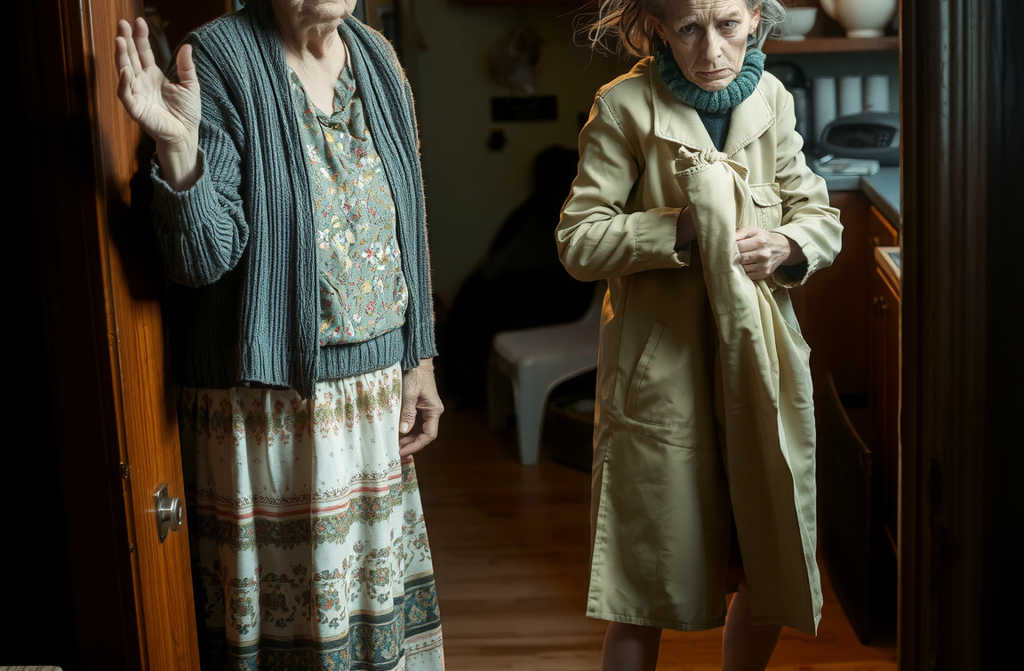
Mary, hurry! Peter Whitaker shouts as he leans over the garden fence. Im just leaving the corner shop and I saw your daughterinlaw buying rat poisontwo boxes! She says the mice have turned up, but I know you dont keep any rats at home! Marys legs give way. So thats why shes trying to clean the house herself!
Goodness, Peter, sighs the widow as she carries a bowl of porridge out into the yard. Its just you and me left in this wide world.
Their old collie lifts its head, licks Marys hand gratefully and starts to eat. Mary Thomson, who just turned sixtyfive, still looks younger than her yearssturdy, dignified, her silver hair neatly pinned.
Only her eyes betray the sorrow that has settled there, a grief so heavy it hurts to look at them.
Six months ago her son Elliot crashed his motorcycle. He had bought a steel horse to mark his fortieth birthday, a longstanding dream. Mary had objected, but how could she deny her son? A month later a call from the hospital tells her he didnt survive a sharp turn.
After the funeral, his widow Nora took their little boy James to her parents house in the city. At first she called every day, begging to speak with her son, then the calls grew sparse.
Mary insists on seeing James, citing her legal right to visit her grandchild. Nora keeps finding excusesJamess health, her busy schedule. Then she changes her number entirely. When Mary shows up at the new address, the neighbours tell her Nora and her parents have sold the flat and moved elsewhere. Nobody knows where.
Hey, Mary! a voice calls over the fence. You still alive?
Its Peter Whitaker, a spry seventyyearold widower. He and Marys late husband were longtime friends, and when he passed, Peter took on the informal guardianship of Mary.
Alive, Peter, what else can I do? Mary smiles. Come in, lets have a cuppa.
I was just heading into town for the chemist and the shop. Need anything? he asks.
No, thank you, Ive got everything.
Peter chuckles. I know you, Maryyou sit here like an owl, never going out. Thats no way to live.
He drives off, and Mary returns to the house. Photographs line the hallway, a timeline of her life. Theres a wedding picture with her husband, a baby picture of Elliot taking his first steps, a recent photo of him with his wife and little James, all smiling.
She sighs heavily and shuffles to the kitchen. The day stretches on endlessly. She turns on the television, but nothing feels real anymore. She tries knitting, but her hands wont obey. Eventually she lies down early, hoping sleep will bring oblivion.
Mum! Mum! a voice cries.
Marys eyes snap open. Elliot stands before her, young and beaming in the checkered shirt she bought him for his birthday.
Elliot! she sobs. My son!
Dont cry, Mum, he says gently. Im here to warn you. Be careful. Danger is close, almost on top of you. Look after yourself.
What are you talking about? What danger? she asks, panic rising.
Elliot fades into the early dawn mist. Mary awakens in tears, the sunrise spilling gold over the fields, roosters crowing. The dream felt so vivid, as if he had truly appeared.
She washes her face with cold water and steps outside. The morning air is crisp and clear; a mist rises over the river in the distance, beautiful enough to sting her heart.
Grandma Mary! Grandma Mary! a small voice calls. A nineyearold girl, Lucy, runs up the gate. She is the granddaughter of Marys late friend, whose parents died in a road accident two years ago, and she lives in the local childrens home.
Mary often visits Lucy, bringing treats and helping with homework.
Lucy, love! Why so early? Mary asks.
Were being taken to a potatopicking farm today. I just wanted to say goodbye. Ill be back in a week, Lucy replies.
Wait, Mary says, hurrying back inside and returning with a bag of fresh scones, apples from her garden, and a handful of sweets. Take these and share them with the other children.
Thank you! Lucy hugs Mary tightly. I love you so much!
And I love you, dear. Stay safe.
Lucy runs off, and Mary watches her go, thinking how many times she has wanted to adopt her. The care system, however, demands a complete family, steady income, medical reports. What family does Lucy have?
The day passes in ordinary chorestending the garden, feeding the chickens, preparing lunch. Exhausted, Mary goes to bed early, and the night brings another dream.
This time Elliot stands at the gate, waving his arms as if trying to stop someone.
Dont let them in! he shouts. Mum, dont let anyone in! Danger!
Mary wakes to a frantic knock on the door. The clock reads tenfiftynine at night. Who could be here at this hour?
Whos there? she asks without opening.
Its me, Nora. Please let me in! a strained voice replies.
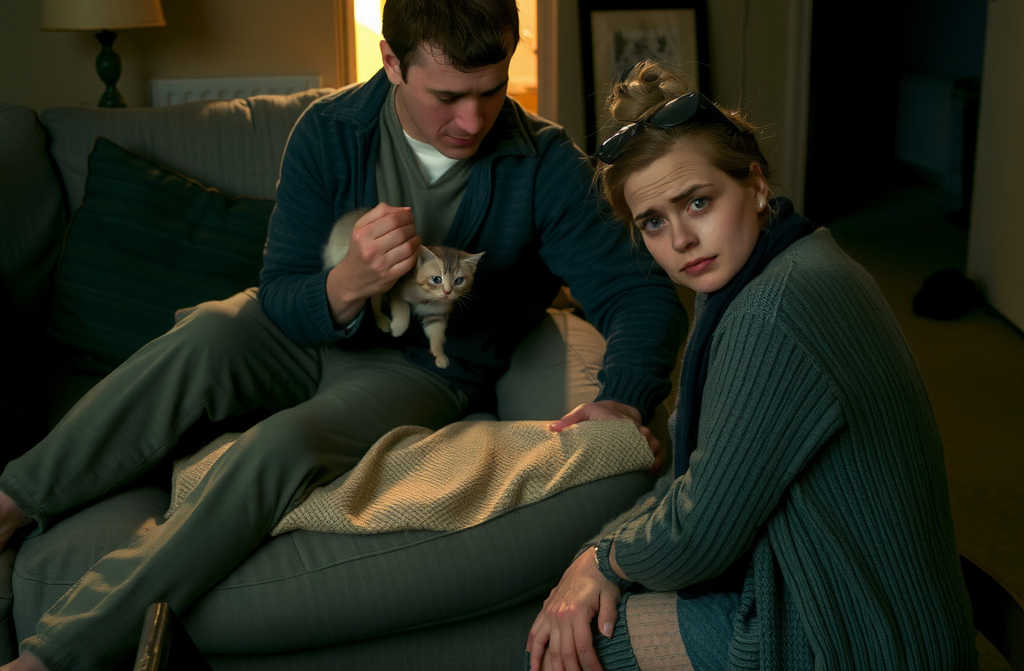
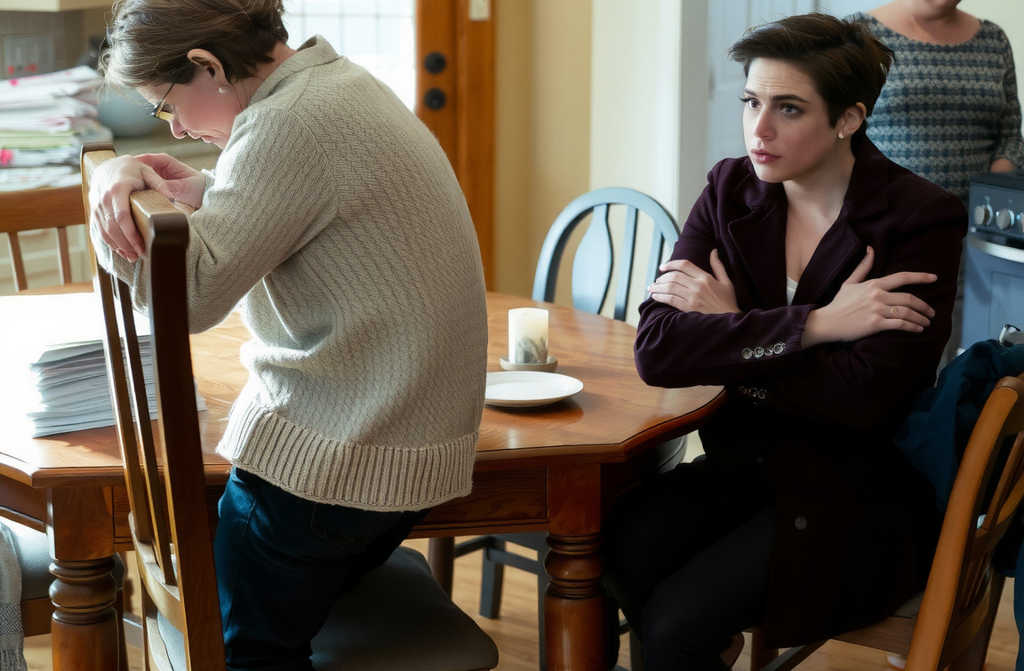
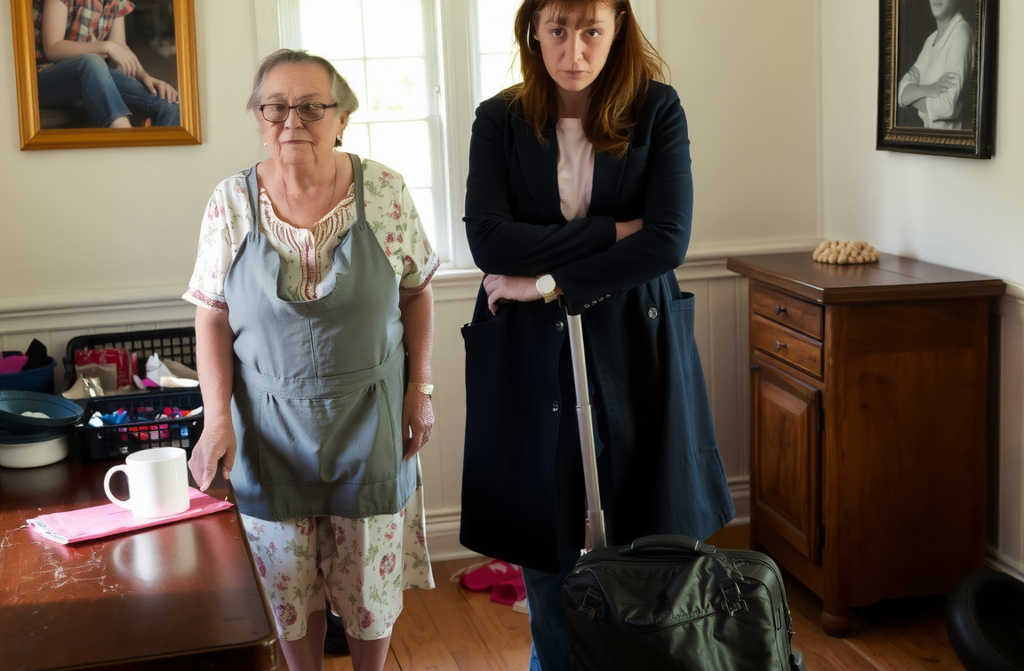
Surprised, Mary opens the door. Nora stands on the doorstep, dishevelled, a large sack in her hand, her clothes rumpled.
Im sorry for the hour. My house has burned downcompletely. I just barely escaped, she sobs.
Lord! What about James? Mary asks.
Hes with my parents. Theyve gone to the seaside for a holiday and took him with them. Nora, may I stay with you for a short while until I find something? Nora pleads.
Mary eyes her warily. Nora had never shown warmth toward her motherinlaw, and after Elliots death she avoided her. Now she appears in the dead of night.
Come in, Mary says softly. Elliots room is free.
The first few days Nora is quiet, helps with chores, even goes to the shop. Mary begins to wonder if she misjudged her. Perhaps grief has softened her.
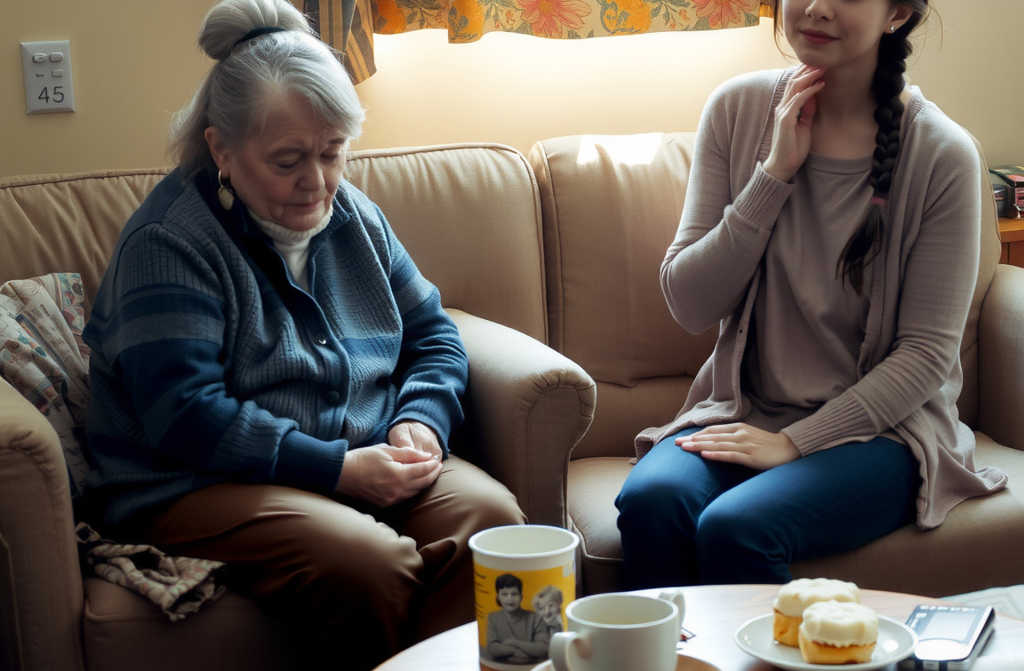
Its so peaceful here, Mary, Nora says over dinner. The city is chaotic, but this feels like a blessing.
Your house is big enough for us both, Mary replies. Stay as long as you need.
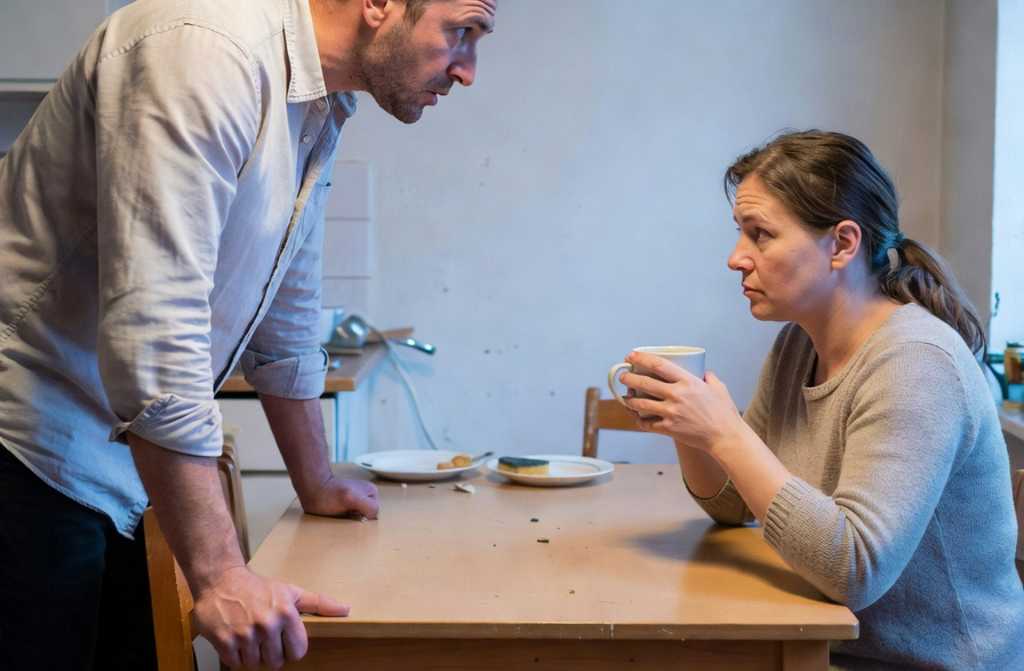
A week later, Noras behaviour changes. She stops helping, spends whole days on the sofa with her phone, demanding special meals.
Mary, could we move the television to my room? Its inconvenient to go to the sitting room each time, she asks.
Take it from my bedroom; I dont watch much anyway, Mary replies.
Also, could you let me check the house papers? Maybe theres a mistake. I used to work at a solicitors office, you know, Nora offers.
Mary feels uneasy. Why does Nora want the deeds?
Thanks, but Im fine, Nora snaps and retreats. That night Mary dreams of Elliot again.
Mum, shes plotting something. Dont eat or drink what she makes. Protect yourself, he warns.
Elliot, what should I do? How do I get her out? she begs.
James is safe. Youre in danger. Remember my words, he replies.
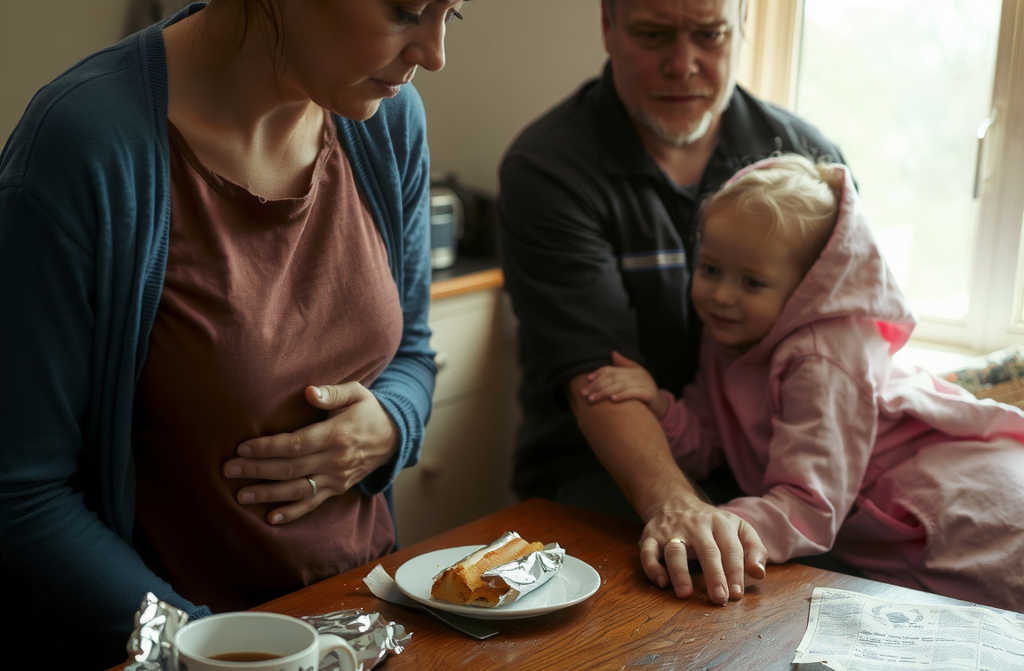
Morning finds Mary with a heavy head. Nora is already making tea and porridge.
Good morning! Ive brewed the coffee, boiled the porridge. Have a seat, Nora says cheerfully.
Thanks, Ill feed the chickens first, Mary replies, stepping outside to think. Could Nora truly be planning something? As she ponders, Peter Whitaker strolls up to the fence.
Morning, neighbour! Why so quiet? he asks.
Just thinking, Mary answers.
I heard your daughterinlaw is back. Hows she? Peter inquires.
She says her house burned down, Mary replies.
Peter narrows his eyes. Odd. I ran into Colin Redhe works at the same firm Nora used to. He told me she was dismissed six months ago for theft.
So there was no fire? Mary wonders. She lives with a man now who apparently threw her out, and shes come to you.
Peter shrugs. Sounds like a warning. Elliot might have been right.
Thanks for the headsup, Peter, Mary says.
Be careful with her. Shes not thinking clearly, Peter warns.
The next days Mary stays on guard. She cooks alone, watches Nora discreetly, and begins to assert herselfrearranging furniture, inviting neighbours over.
Your house is huge, Mary. Have you considered renting out rooms? It could bring in extra income, one neighbour suggests.
Money isnt what I need. I just want peace, Mary replies.
Peace? Come on, you could still remarry! Think of Peter Whitakerhes a widower, youre a widow. It could work! the neighbour jokes.
Mary smiles faintly, thinking of Lucy. Does Peter really want to take Lucy in as his own daughter?
Im serious, Peter says. Shes bright, would love the company.
Mary feels a spark of hope. She had never imagined adopting a child at her age.
Peter, would you really adopt Lucy? she asks.
Yes, shed have a warm home and someone to pour her a glass of water when Im old, he answers.
Tears well upnot from grief, but from joy. Thank you, Peter. I accept.
Their wedding is modest, a small gathering of neighbours around a table. Afterwards they begin the lengthy process of securing guardianship for Lucy. First they gather income statements, health certificates, and Lucys records. Then a socialservices team inspects the house, checking for a separate bedroom and a study space.
They attend twomonth weekend courses at the district centre on fostercare responsibilities, sit down with a psychologist, and meet the local authority officials. The paperwork drags on for six months, but they persevere. Lucy visits the childrens home regularly, while Mary and Peter stop by often.
Finally, the decision arrives: guardianship approved. The council deems the retired couple, with their stable pension and solid home, suitable caregivers.
Lucy bursts into tears of happiness. Ive dreamed of this for so long!
The house fills with life again. Lucy runs through the rooms, Peter builds bookshelves for her, Mary teaches her to bake pies. Evenings are spent around the kitchen table, sipping tea and chatting.
That night Mary dreams of Elliot once more, this time smiling.
Thank you, Mum. You did the right thing. Lucy will be like a granddaughter to you, and Peter is a good man. Im at peace, he says.
Mary wakes with a light heart. Life moves forward, and happiness returns.
A year later, spring brings childrens laughter to the garden. Lucy swings on a swing Peter crafted, while their old dog Barney chases a ball. Mary watches from the porch, tears of contentment in her eyes.
Grandma, look at me! Lucy cries, swinging higher.
Take care, love, Mary calls, smiling.
The word granddaughter feels natural on her lips now. Somewhere far away, Mary imagines Elliot cheering them on.
Life settles into its rhythm. The house is no longer empty; it hums with warmth and laughter once more.