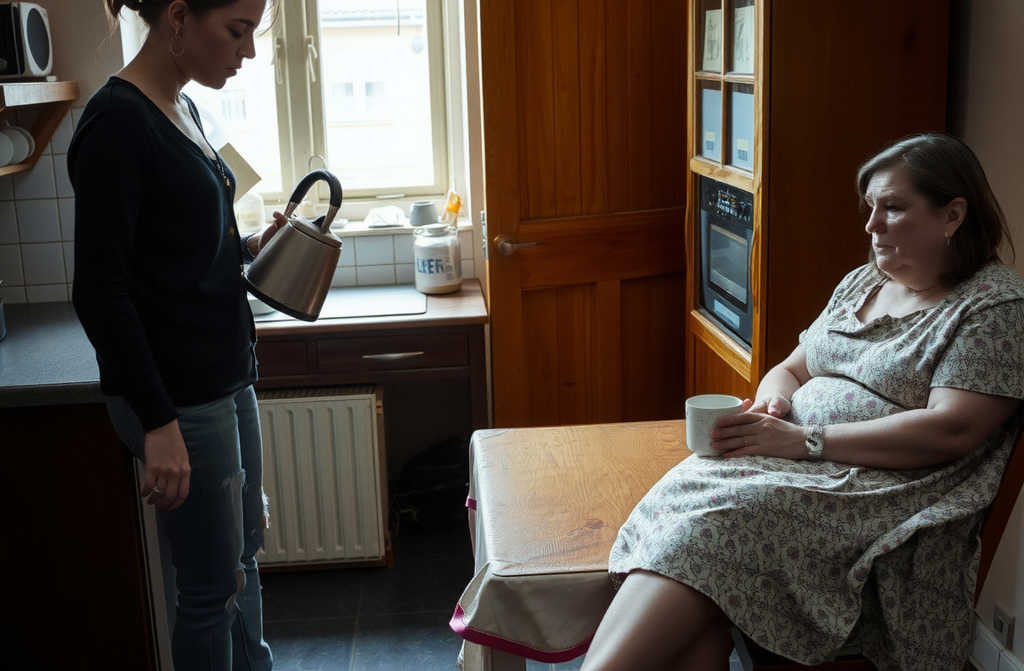
Listen to me carefully, the housemate went on. Either your daughter hands over the car or she moves out! I wont stay in a home where Im not respected!
Where will she go? the other snapped. Thats not my problem. Shes an adult now. Time she learns to stand on her own.
Ethel stood in the hallway of the old council house, straining to hear her mothers voice through the bathroom door, explaining why she must surrender the car.
Ethel, think it through! Andrew drives to work every day. And youre still a student. Wont you manage on a bus? Mary urged.
Ethel pressed her back against the plaster wall and shut her eyes. Her grandfather had given her the car for her twentieth birthdayan old, but hers, first car. He had said then, So you never depend on anyone else. So you decide where you go.
The car is registered in my name, Ethel answered calmly.
So what? Were family! Marys tone rose. Andrew is like a father to you. Remember how he helped you with maths in Year Ten?
Ethel recalled the endless tutoring sessions, the way hed slam the textbook onto the table whenever she struggled, shouting, Youre as thick as a brick! Youve got your mothers stubbornness! The sound of a hairdryer hissed from the bathroom; Mary was clearly about to leave. In five minutes shell be out and the conversation will resume, Ethel thought. She didnt want that.
Ill think about it, she said, a lie, and fled to her tiny bedroom.
There was nothing to think over. She would not part with the car. What to do next was a mystery.
Ethel was in her final year at the university, earning a modest living tutoring English. Money was scarce, but enough for tea and a bit of toast. That, of course, ignored the fact that every step she took in that house was dissected and criticised.
Andrew had entered the family when Ethel was eleven. Mary had met him at worka tall, bearded man with a confident voice and grand stories. Mary liked him instantly. Her exhusband, John, was a different sortquiet, thoughtful. After their divorce he moved to London and called only on rare occasions.
At first Andrew tried to be friendly, bringing sweets, asking about schoolwork, even taking Ethel to the cinema a few times. Maybe he isnt so bad, she thought, but the goodwill faded quickly.
When Andrew finally settled into the house, everything changed. He stopped asking and started ordering. It was as if Ethel were a servant, not a daughter.
Make a cup of tea. Clear up after yourself. Stop dawdling. Dont slam doors. Turn the telly down, his list of demands grew each day.
Mary morphed into Andrews advocate, echoing every grievance he raised.
Ethel, Andrew is exhausted after work. Isnt it hard to walk a bit softer? she cooed.
Ethel, hes right. Why blast the music?
Ethel, think of others.
Others meant Andrew. When Ethel asked for quiet while studying, no one cared.
Were not in a library, Andrew replied. Want silence? Go to your room.
Ethels room was a cramped former pantry, barely fitting a bed and a study desk. The walls pressed in, the air was thin, yet there was no other place to go.
She learned to become invisiblesneaking home when Andrew slept, eating in the kitchen only when it was empty, never joining family conversations. It worked, until the car dispute erupted.
The next morning Mary knocked on Ethels door.
Ethel, are you up? We need to talk.
Ethel sat on the edge of the bed. Mary wore a new dress, clearly not cheap, hair neatly arranged, as if she were heading out.
Im listening.
Andrew was upset yesterday. He thought youd hand over the car without a fuss.
Why did he think that?
Mary perched on the beds edge, looking out the window.
Ethel, you know were planning a wedding. We want everything perfect, invite the guests, but moneys tight these days.
Ethel stayed silent.
Andrew needs a car for his new role. Hell be travelling around the county; a bus isnt practical.
Let him buy his own, Ethel suggested.
What?! Marys voice rose, then she tempered it. Were family, Ethel! Andrew has done so much for you
What exactly has he done for me? Ethel asked.
Mary hesitated, choosing her words slowly.
Well hes raised you like a proper father, helped with homework
You mean he shouted at me, didnt you?
Dont you dare say that! Mary snapped, pulling herself up. He tried! And youve always been ungrateful. Your father left you, and look where that got you.
The room fell silent. Ethel stared at her mother, hardly recognising the woman who once had protected her.
I wont give up the car, Ethel declared.
Then find somewhere else to live, Mary replied coldly, and left.
Ethel was left alone, her chest tightening, breath shallow. She had never imagined it would come to this.
That evening, when Andrew returned from work, the house erupted into a loud argument. Ethel could hear it through the thin plaster.
So, you spoke to our daughter? Andrew asked.
Yes. She refuses.
Fine. We should have raised her differently. Were too lenient.
Shes still young. She doesnt understand.
When will she understand? When shes a mother herself? No, Mary, if we dont put her in her place now, shell end up on the street.
Mary murmured something, too low for Ethel to catch.
Listen carefully, Andrew continued. Either she hands over the car, or she moves out. I wont stay in a house where Im not respected!
Where will she go? Mary asked.
Not your concern. Shes an adult now. Time she learns to fend for herself.
Ethel lay awake until dawn, turning the words over in her mind. Would her mother really side with Andrew?
Two days later Mary entered Ethels room, her face set.
Weve decided. If you wont join the family, you can live elsewhere.
Mother, are you serious?
As serious as a heart attack. Youre an adult, you work, you can rent your own flat.
Ethel met her mothers gaze for a long moment.
Fine. Ill move out.
Mary seemed to expect tears, pleading, perhaps a scene. Instead, Ethels reply was calm.
Mother perhaps youll think it over?
Whats there to think about? Youve made your choice, Ill make mine.
Within a week Ethel found a room in a small house near the university. It was cheap, clean, and surprisingly spacious. The landlady, an elderly teacher, was kindly and kept to herself.
As Ethel packed, Mary stood in the doorway.
Maybe weve been too harsh
No, Mother. Its right.
You know I didnt want to drive you away. Its just Andrew
Andrew is more important now. I understand.
Mary burst into tears.
Dont say that. Youre my daughter.
I was a daughter, Ethel replied, sealing her books into a box.
The first weeks in the new flat were hard, not because of the modest furnishingsEthel was used to making dobut because it took her breath away to realise her mother had chosen a stranger over her own child.
Gradually, life settled. Tutoring brought more pupils, earnings grew, and the pounds stretched to cover rent, food, and the occasional treat. She could eat when she wanted, play records at full volume, invite friends over without anyone barking orders.
Mary called only on holidays.
How are you, Ethel? All well?
Fine.
Do you want to visit?
Well see.
Ethel never visited. Mary understood.
Six months passed. Ethel had grown comfortable with independence when, late one evening, her mother phoned, voice weary and broken.
Ethel, may I come over? We need to talk.
Of course. Come when you can.
Mary arrived an hour later, looking gaunt, circles under her eyes. She sat at the kitchen table, silence hanging between them.
What happened? Ethel asked.
Andrew left.
How did he leave?
He ran off with another woman. Shes ten years younger.
Ethel poured tea, setting a cup before her mother.
When did this start?
Two weeks ago. At first I thought hed return. Yesterday he came for a few things and said he was filing for divorce.
Tears slipped down Marys cheeks, quiet and exhausted.
I was foolish, wasnt I?
Ethel could hardly answer. What could she say?
They sipped tea in silence, then Mary whispered:
May I stay here tonight? I dont want to go back to a house that reminds me of him.
Of course, the sofa is yours.
In the night Ethel heard her mother sobbing. She wanted to reach out, to hug, to console, but the weight of years of resentment held her back.
At breakfast Mary spoke softly.
I realise I made the wrong choice, choosing him over you. Forgive me.
Mother
No, let me finish. I thought I needed a man at any cost, even if it meant losing you. Now I see its better to be alone than with someone who poisons life.
Ethel nodded.
Will you ever come home again? Mary asked quietly.
I wont. Ive made this my home. Im not the girl I was.
What does different mean?
Im independent. Im not swayed by anyones mood. And I like it.
Mary sighed.
So well keep in touch? Meet now and then?
Yes, but not as we once were. Things will be different.
When Mary left, Ethel lingered by the window, reflecting. Pity for her mother was there, but pity is not love. Trust, once shattered, does not mend with simple apologies.
She fetched the car keys, walked to the mirror, and saw a grown, selfreliant woman staring back.
Not the frightened girl who worried about upsetting her mother, not the student cramped in a pantry while a stepfather ruled.
Ethel smiled at her reflection.
Shall we drive into the future? she whispered, heading for the door.
Sunlight bathed the street outside. Ahead lay a whole lifeher own life, regardless of others whims and demands.
And that felt wonderful.
Do you think the daughter acted rightly? Share your thoughts in the comments, and give a like if you agree.
Leave a Reply